Human Health and Disease is one of the most scoring chapters in CBSE/NCERT Class 12 Biology. It covers common diseases, the human immune system, AIDS, cancer, and the biology of drug and alcohol abuse — topics that appear almost every year in board exams and competitive exams like NEET. This guide breaks the entire chapter into exam-ready notes with tables, diagrams, and quick-revision points.
What is Health?
Health is not simply the absence of disease-the World Health Organization (WHO) defines it as a state of complete physical, mental, and social well-being. Good health directly boosts an individual’s productivity and lifespan.
How to Maintain Good Health
- Eating a balanced diet rich in nutrients
- Maintaining personal hygiene
- Regular exercise
- Staying informed about disease prevention and control
- Proper disposal of waste and control of disease-carrying vectors (mosquitoes, flies, etc.)
- Timely vaccination and immunization
Why Do Diseases Occur?
Diseases arise from three broad categories of causes:
| Cause | Description |
| Genetic | Innate deficiencies and inherited disorders passed from parents to offspring |
| Infections | Invasion by disease-causing organisms (pathogens) |
| Lifestyle | Sedentary habits, junk food, alcohol/drug use, and lack of physical activity |
A pathogen is any parasite- bacterium, virus, fungus, protozoan, or worm- that enters the human body, multiplies, and disrupts normal physiological functions.
Common Diseases in Humans
Diseases caused by pathogens are called infectious or communicable diseases. NCERT groups them by the type of causative organism.
1. Bacterial Diseases
Typhoid
- Pathogen: Salmonella typhi
- Mode of spread: Contaminated food and water
- Site of infection: Small intestine
- Symptoms: Sustained high fever, abdominal pain, headache, loss of appetite, constipation; intestinal perforation in severe, untreated cases
- Confirmatory diagnosis: Widal test
Pneumonia
- Pathogens: Streptococcus pneumoniae and Haemophilus influenzae
- Mode of spread: Respiratory droplets from an infected person; sharing utensils or glasses
- Site of infection: Alveoli of the lungs, which fill with fluid, causing breathing difficulty
- Symptoms: Fever, chills, cough, headache; lips and nail beds may turn grey in severe cases
2. Viral Diseases
Common Cold
- Pathogen: Rhinoviruses
- Site of infection: Nose and upper respiratory tract
- Mode of spread: Airborne droplets from coughing/sneezing, or contact with contaminated surfaces
- Symptoms: Nasal congestion, runny nose, sore throat, cough, headache, fatigue
3. Protozoan Diseases
Malaria
- Pathogen: Plasmodium species (P. vivax, P. falciparum, P. malariae)
- Vector: Female Anopheles mosquito
- Symptoms: High-grade fever with chills, recurring at intervals
Amoebiasis
- Pathogen: Entamoeba histolytica
- Vector: Housefly (mechanical carrier)
- Site of infection: Large intestine
- Symptoms: Constipation, abdominal cramps, stools containing mucus and blood clots
4. Fungal Diseases
Ringworm
- Pathogens: Genera Microsporum, Trichophyton, and Epidermophyton
- Mode of spread: Contact with towels, clothes, or combs; the fungus itself originates in soil
- Symptoms: Dry, scaly lesions on the skin accompanied by intense itching, often worse in body folds and areas of sweating
5. Helminthic (Worm) Diseases
Ascariasis
- Pathogen: Roundworm, Ascaris
- Mode of spread: Water, vegetables, or fruits contaminated with the feces of an infected person
- Symptoms: Internal bleeding, muscular pain, fever, anaemia, and intestinal blockage
Elephantiasis (Filariasis)
- Pathogen: Wuchereria (W. bancrofti and W. malayi)
- Mode of spread: Bite of an infected mosquito vector
- Symptoms: Chronic inflammation of the lymphatic vessels, typically of the lower limbs, causing gross swelling
Exam tip: Board papers frequently ask students to match the pathogen, disease, and mode of transmission — memorize these in table form rather than paragraphs.
Life Cycle of Plasmodium (Malaria Parasite)
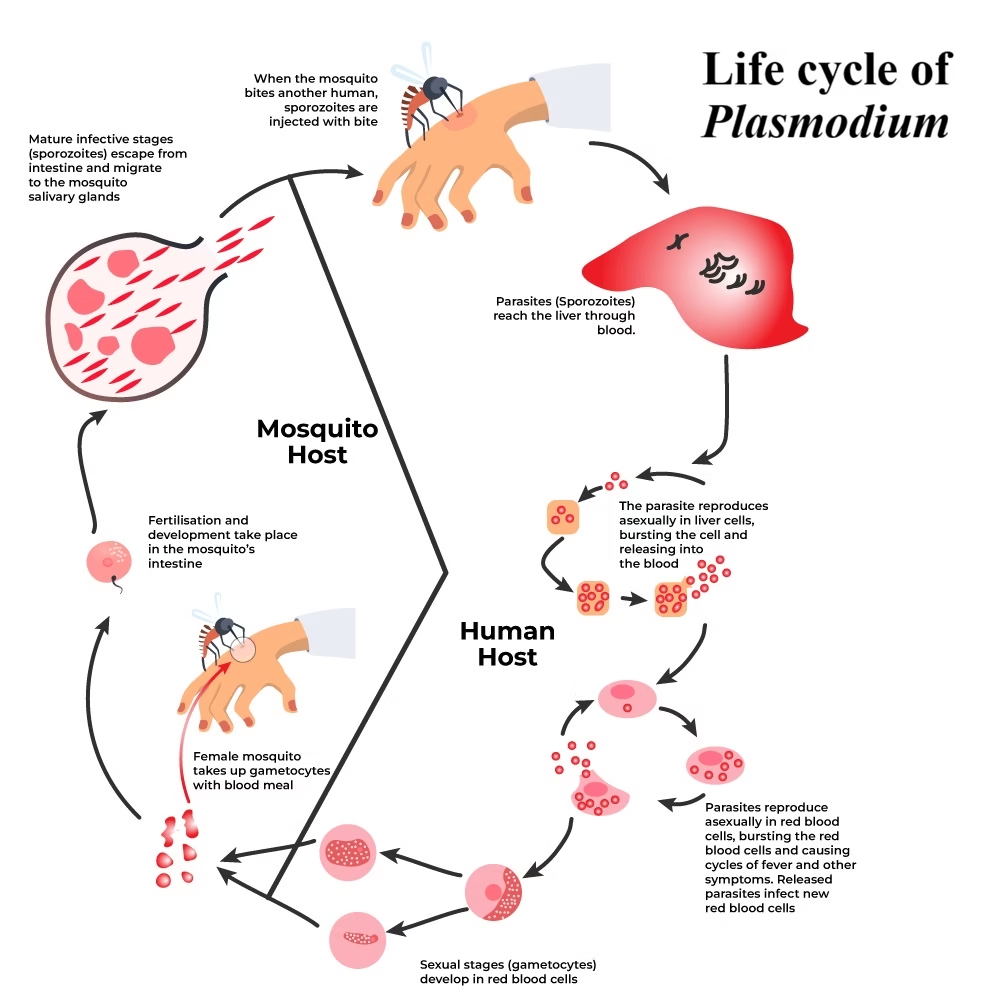
Plasmodium is a two-host parasite, alternating between a mosquito (definitive host, where sexual reproduction occurs) and a human (intermediate host, where asexual reproduction occurs).
- An infected female Anopheles mosquito bites a healthy human and injects sporozoites (the infective stage) into the bloodstream.
- Sporozoites travel to the liver, multiply asexually, and rupture liver cells, releasing more parasites into the blood.
- These parasites invade red blood cells (RBCs), multiply asexually again, and burst the RBCs.
- The rupture of RBCs releases a toxic pigment called haemozoin, which triggers the characteristic bouts of fever and chills.
- Some parasites inside RBCs develop into gametocytes (the sexual stage) instead of dividing further.
- When a female Anopheles mosquito bites the infected person, it ingests these gametocytes along with the blood meal.
- Inside the mosquito’s gut, the gametocytes fuse (fertilisation) and develop into new sporozoites.
- The sporozoites migrate to the mosquito’s salivary glands, ready to infect the next human host — completing the cycle.
This cycle explains why malarial fever recurs in a periodic pattern that matches the time taken for RBCs to rupture in successive waves.
Immunity
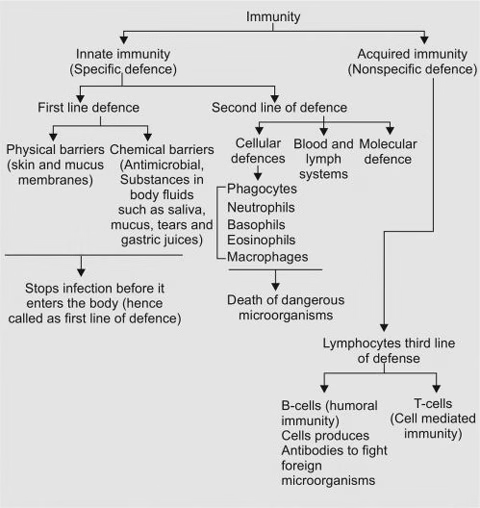
Immunity is the body’s ability to resist and fight disease-causing organisms. It is broadly classified into two types.
1. Innate Immunity
Present from birth, non-specific, and made up of four types of barriers:
| Barrier Type | Examples |
| Physical | Skin, mucus lining of respiratory/GI/urogenital tracts |
| Physiological | Stomach acid, saliva, tears |
| Cellular | Leukocytes (polymorphonuclear cells, monocytes) and macrophages that engulf pathogens (phagocytosis) |
| Cytokine | Interferons secreted by virus-infected cells to protect neighbouring cells |
2. Acquired (Adaptive) Immunity
Developed after exposure to a specific pathogen and is pathogen-specific, with memory.
- Primary response: A mild, slower immune reaction on first contact with a pathogen.
- Secondary response: A faster, stronger reaction on re-exposure to the same pathogen, due to immunological memory.
Acquired immunity depends on two types of lymphocytes:
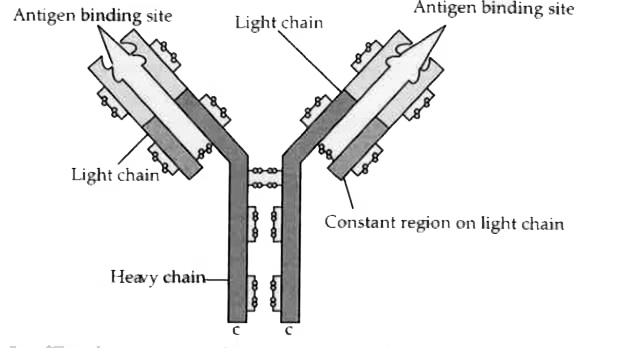
- B-lymphocytes: Produce antibodies — Y-shaped proteins made of two light and two heavy peptide chains (H2L2 structure). Major classes include IgA, IgM, and IgE. This is called humoral immunity, since antibodies circulate in blood/body fluids.
- T-lymphocytes: Assist B-cells in antibody production and mount cell-mediated immunity, which helps the body distinguish ‘self’ from ‘non-self’ — relevant in organ transplant/graft rejection.
Active vs. Passive Immunity
| Active Immunity | Passive Immunity | |
| Definition | Body produces its own antibodies in response to an antigen | Ready-made antibodies are transferred from an external source |
| Examples | Natural infection recovery, vaccination | Antibodies (IgA) in a mother’s colostrum; antibodies passed to the foetus via the placenta |
| Duration | Long-lasting, with memory | Short-term, no memory generated |
How Vaccines Work
Vaccines contain inactivated or weakened pathogens. When introduced into the body, they trigger a primary immune response, generating antibodies plus memory B and T cells — without causing the actual disease. If the real pathogen later infects the person, the memory cells mount a rapid, powerful secondary response that eliminates the pathogen before disease can develop.
Disorders of the Immune System
Allergies
- An exaggerated immune reaction to normally harmless environmental substances (allergens) such as dust and pollen
- Mediated by IgE antibodies
- Triggers release of histamine and serotonin
- Symptoms: Sneezing, watery eyes, breathing difficulty
- Diagnosis: Small doses of suspected allergens are injected to observe the reaction
- Management: Antihistamines, adrenaline, and steroids
Autoimmunity
- The immune system mistakenly attacks the body’s own cells
- Causes include genetic and other, still poorly understood, factors
- Example: Rheumatoid arthritis
Human Immune System
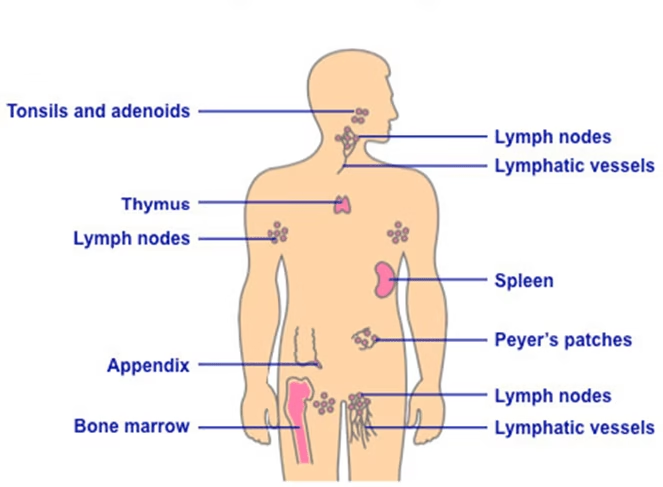
The immune system operates through lymphoid organs, divided into two categories:
Primary Lymphoid Organs
Sites where lymphocytes mature into antigen-sensitive cells.
- Bone marrow: Produces all blood cells, including lymphocytes
- Thymus: Site of T-lymphocyte maturation; located near the heart, it shrinks progressively with age
Secondary Lymphoid Organs
Sites where mature lymphocytes interact with antigens and mount immune responses.
- Spleen: A large, bean-shaped organ that filters blood and houses lymphocytes/phagocytes
- Lymph nodes: Trap antigens from lymph and tissue fluid, triggering lymphocyte activation
- Also includes tonsils, Peyer’s patches, and the appendix
MALT (Mucosa-Associated Lymphoid Tissue) lines the major body tracts (respiratory, digestive, urogenital) and makes up nearly 50% of all lymphoid tissue in the human body — making mucosal surfaces a major front line of immune defence.
AIDS
AIDS (Acquired Immuno Deficiency Syndrome) is caused by HIV (Human Immunodeficiency Virus), a retrovirus containing RNA as its genetic material.
Modes of Transmission
- Sexual contact with an infected person
- Sharing contaminated needles (common among intravenous drug users)
- Transfusion of infected blood
- From an infected mother to child via the placenta
The gap between initial infection and the appearance of symptoms can range from a few months to 5–10 years, which is why regular testing matters even without visible symptoms.
How HIV Attacks the Body
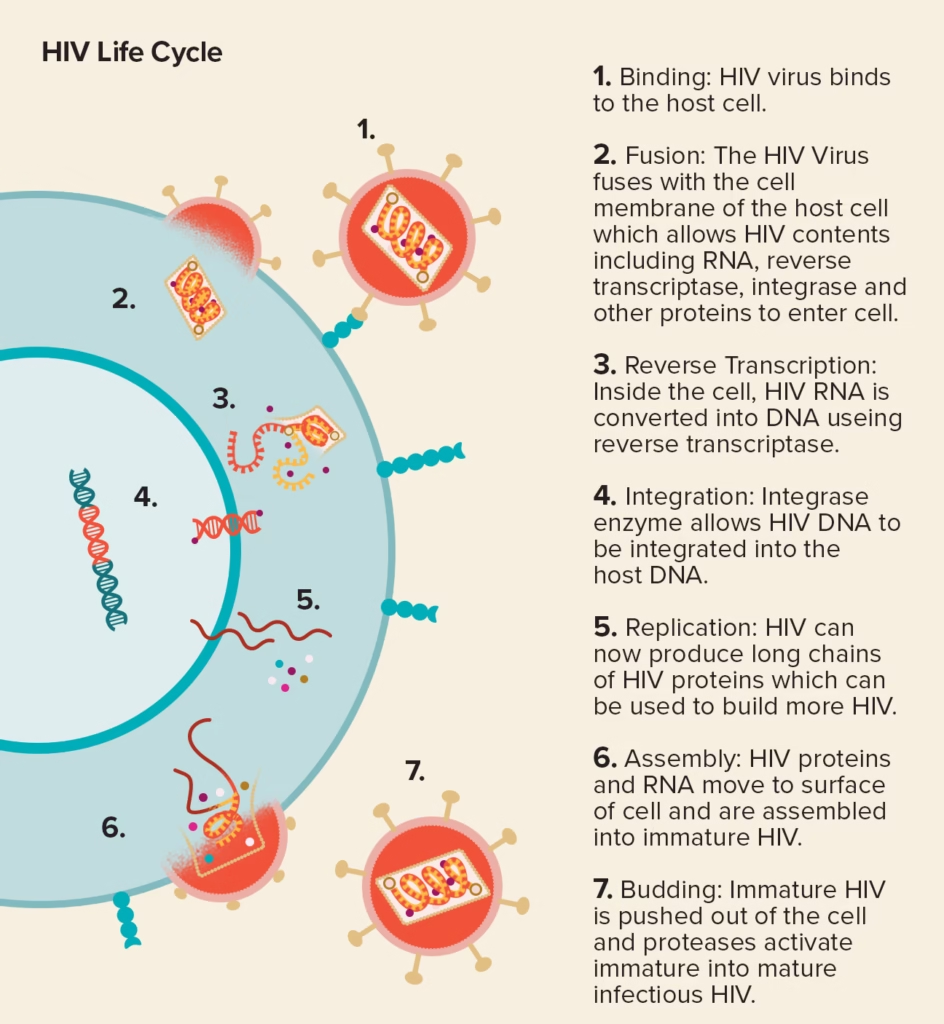
- HIV enters the body and infects macrophages, where it replicates using reverse transcriptase to convert its RNA into DNA, which integrates into the host’s genome.
- Macrophages effectively become HIV-producing factories.
- The virus then infects helper T-lymphocytes, replicating further and producing new viral particles.
- As new virus particles are released, they destroy more T-lymphocytes.
- The steady decline in T-lymphocyte count progressively weakens the immune system.
- Even minor, normally harmless infections start becoming serious and hard to control — this weakened state is what defines full-blown AIDS.
Diagnosis and Treatment
- Diagnosis: ELISA (Enzyme Linked Immuno Sorbent Assay)
- Treatment: No permanent cure exists; antiretroviral therapy (ART) can suppress the virus and significantly extend a patient’s life
Prevention
- Use of disposable syringes and needles
- Routine screening of blood at blood banks
- Promotion of safe sexual practices
- Public awareness campaigns run by organizations such as NACO (National AIDS Control Organisation) and various NGOs
Cancer
Cancer arises through oncogenic transformation, a process in which normal cells lose control over their growth and division.
Key Concept: Contact Inhibition
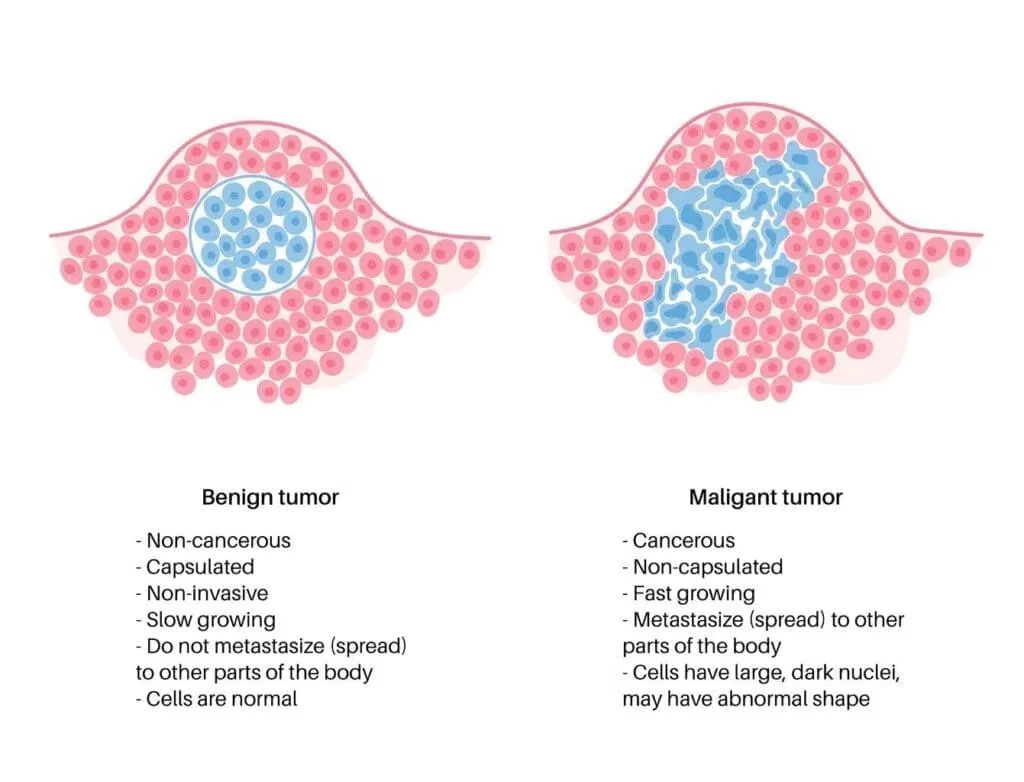
Normal cells stop dividing once they come into contact with neighbouring cells — a property called contact inhibition. Cancer cells lose this property and continue dividing uncontrollably, forming a mass of cells called a tumour.
Types of Tumours
- Benign tumours: Remain localized at the site of origin and do not spread to other parts of the body
- Malignant tumours: Show metastasis — cells break away and travel through blood or lymph to distant sites, forming secondary tumours. Malignant tumours are what constitute true cancer, aggressively depriving normal cells of nutrients.
Causes of Cancer
- Carcinogens: Physical, chemical, or biological agents that induce cancer, including ionizing radiation (X-rays, gamma rays) and non-ionizing UV radiation
- Oncogenic viruses: Viruses carrying cancer-causing genes (viral oncogenes)
- Proto-oncogenes: Normal cellular genes that can mutate into cancer-causing cellular oncogenes
Diagnosis
- Biopsy and histopathology: Suspected tissue is sectioned and examined under a microscope
- Radiography, CT scan, MRI: Imaging techniques to visualize tumours
- CT scan: Uses X-rays to build 3-D internal images of organs
- MRI: Uses magnetic fields and non-ionizing radiation to detect physiological/pathological tissue changes
- Immunological and molecular techniques: Detect cancer-specific markers; identifying genes that predispose individuals to cancer can support early prevention
Treatment
| Method | How it Works |
| Radiotherapy | Irradiates and destroys tumour cells while protecting surrounding healthy tissue |
| Chemotherapy | Uses tumour-specific drugs to kill cancer cells; side effects include hair loss and anaemia |
| Immunotherapy | Biological response modifiers (e.g., alpha-interferons) boost the patient’s immune system to fight the tumour |
Drugs and Alcohol Abuse
Commonly Abused Drugs
Opioids (Heroin)
- Source: Acetylation of morphine extracted from the latex of the poppy plant, Papaver somniferum
- Method of use: Snorting or injection
- Nature: White, bitter, odourless substance
- Mechanism: Binds to opioid receptors in the CNS and GI tract
- Effect: Acts as a depressant, slowing down body functions
Cannabinoids
- Source: Inflorescences of Cannabis sativa
- Method of use: Inhalation or oral ingestion
- Mechanism: Binds to cannabinoid receptors in the brain
- Effect: Impacts the cardiovascular system
Cocaine
- Source: Coca plant, Erythroxylum coca, native to South America
- Method of use: Snorting
- Mechanism: Interferes with the reuptake of the neurotransmitter dopamine
- Effect: CNS stimulant producing euphoria and heightened energy; high doses can cause hallucinations
Medicinal Drugs Prone to Abuse Barbiturates, amphetamines, benzodiazepines, and LSD (lysergic acid diethylamide) are legitimately used to treat mental illness and insomnia but are also commonly abused. Morphine, a powerful post-surgical painkiller, falls into this category too.
Nicotine
- Found in tobacco (smoked, chewed, or snuffed)
- Mechanism: Stimulates the adrenal gland to release adrenaline and noradrenaline
- Effect: Raises blood pressure and heart rate
Health Risks of Smoking
- Elevated risk of bronchitis, emphysema, coronary heart disease, gastric ulcers, and cancers of the throat, lungs, and urinary bladder
- Increased carbon monoxide in the bloodstream, reducing oxygen-carrying capacity
Why Do Adolescents Turn to Drugs and Alcohol?
Adolescence (roughly ages 12–18) is a transitional phase between childhood and adulthood, making young people particularly vulnerable to substance use due to:
- Curiosity and experimentation
- Peer pressure and academic stress
- Unstable family environments
- Media portrayal of substance use as glamorous or “cool”
Understanding Addiction and Dependence
Repeated use leads to addiction — a psychological attachment to the pleasurable, euphoric effects of a substance. Over time, the body’s tolerance increases, requiring larger doses for the same effect, driving continued use even when it causes harm. This progresses to dependence, where stopping use triggers withdrawal syndrome: anxiety, nausea, sweating, and shakiness, which can occasionally be life-threatening.
Effects of Substance Abuse
- Immediate: vandalism, violence, reckless behaviour
- Decline in academic performance, poor hygiene, rebellious behaviour, altered eating/sleeping patterns
- Financial and psychological strain on the user and their family
- Intravenous drug use raises the risk of blood-borne infections such as HIV/AIDS and Hepatitis B
- Damage to the nervous system and liver (cirrhosis)
- Anabolic steroid abuse in athletes:
- In females: Masculinisation, aggression, depression, irregular menstrual cycles, facial hair growth, clitoral enlargement, deepened voice
- In males: Acne, aggression, depression, testicular shrinkage, reduced sperm count, prostate enlargement, breast enlargement, premature baldness
- Prolonged abuse can ultimately lead to coma and death
Prevention Strategies
- Avoiding peer pressure: Recognizing and nurturing each child’s individual strengths
- Education and counselling: Teaching adolescents to handle success and failure constructively; encouraging hobbies like music, yoga, sports, and reading
- Support from family and friends: Offering guidance, trust, and emotional support
- Recognizing warning signs early: Never ignoring early behavioural changes that may indicate substance use
- Seeking professional help: Psychologists and rehabilitation programs play a crucial role in recovery
Quick Revision Table
| Disease | Pathogen | Category |
| Typhoid | Salmonella typhi | Bacterial |
| Pneumonia | Streptococcus pneumoniae, Haemophilus influenzae | Bacterial |
| Common cold | Rhinovirus | Viral |
| Malaria | Plasmodium sp. | Protozoan |
| Amoebiasis | Entamoeba histolytica | Protozoan |
| Ringworm | Microsporum, Trichophyton, Epidermophyton | Fungal |
| Ascariasis | Ascaris (roundworm) | Helminthic |
| Elephantiasis | Wuchereria bancrofti/malayi | Helminthic |
| AIDS | HIV (retrovirus) | Viral |
FAQs
Q1. What are the two types of immunity? Innate immunity (non-specific, present from birth) and acquired immunity (specific, developed after exposure to a pathogen).
Q2. Why does malarial fever occur periodically? Fever coincides with the synchronized rupture of infected red blood cells, which releases the toxic pigment haemozoin into the bloodstream.
Q3. What is the difference between a benign and a malignant tumour? A benign tumour stays confined to its site of origin, while a malignant tumour spreads to distant body parts through metastasis — this is what defines cancer.
Q4. How is AIDS diagnosed? Through the ELISA (Enzyme Linked Immuno Sorbent Assay) test, which detects HIV antibodies in the blood.
Q5. What causes withdrawal syndrome in drug addiction? When a dependent user stops taking a substance, the body — which has adapted to its presence — reacts with symptoms like anxiety, nausea, sweating, and shakiness.
These notes are based on the NCERT Class 12 Biology syllabus (Chapter: Human Health and Disease) and are intended for CBSE board exam and NEET revision.
Other topics you might be interested in:
Class 12 Biology Notes: Reproduction in Organisms
Sexual Reproduction in Flowering Plants: Class 12 Biology Notes
Human Reproduction Class 12 Notes Biology
Principles of Inheritance and Variation — Class 12 Biology Notes
Molecular Basis of Inheritance Class 12 Notes (DNA, RNA, Replication, Transcription & Translation)
Evolution Class 12 Biology Notes: Origin of Life, Darwin’s Theory