Microbes in Human Welfare Class 12 Biology Notes
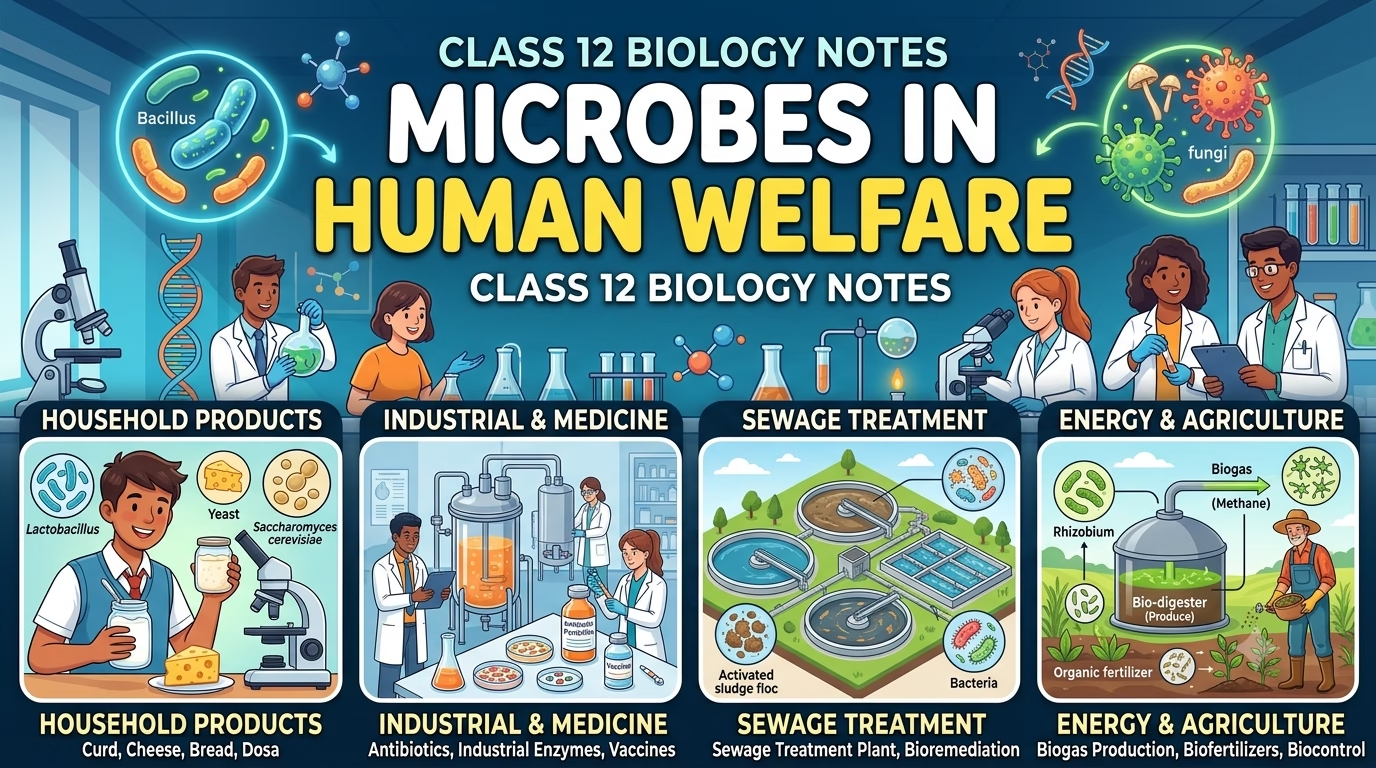
Class 12 Biology notes on Microbes in Human Welfare- LAB, antibiotics, sewage treatment, biogas, biocontrol agents & biofertilisers. NCERT-aligned.
Class 12 Biology notes on Microbes in Human Welfare- LAB, antibiotics, sewage treatment, biogas, biocontrol agents & biofertilisers. NCERT-aligned.

Complete Class 12 Biology notes on Strategies for Enhancement in Food Production: Animal Husbandry, Plant Breeding, Apiculture, Fisheries, SCP and Tissue Culture.

Complete Class 12 Biology notes on Human Health and Disease — bacterial, viral, protozoan & fungal diseases, malaria life cycle, immunity, AIDS, cancer, and drug abuse. Free CBSE/NCERT revision guide with diagrams and FAQs.
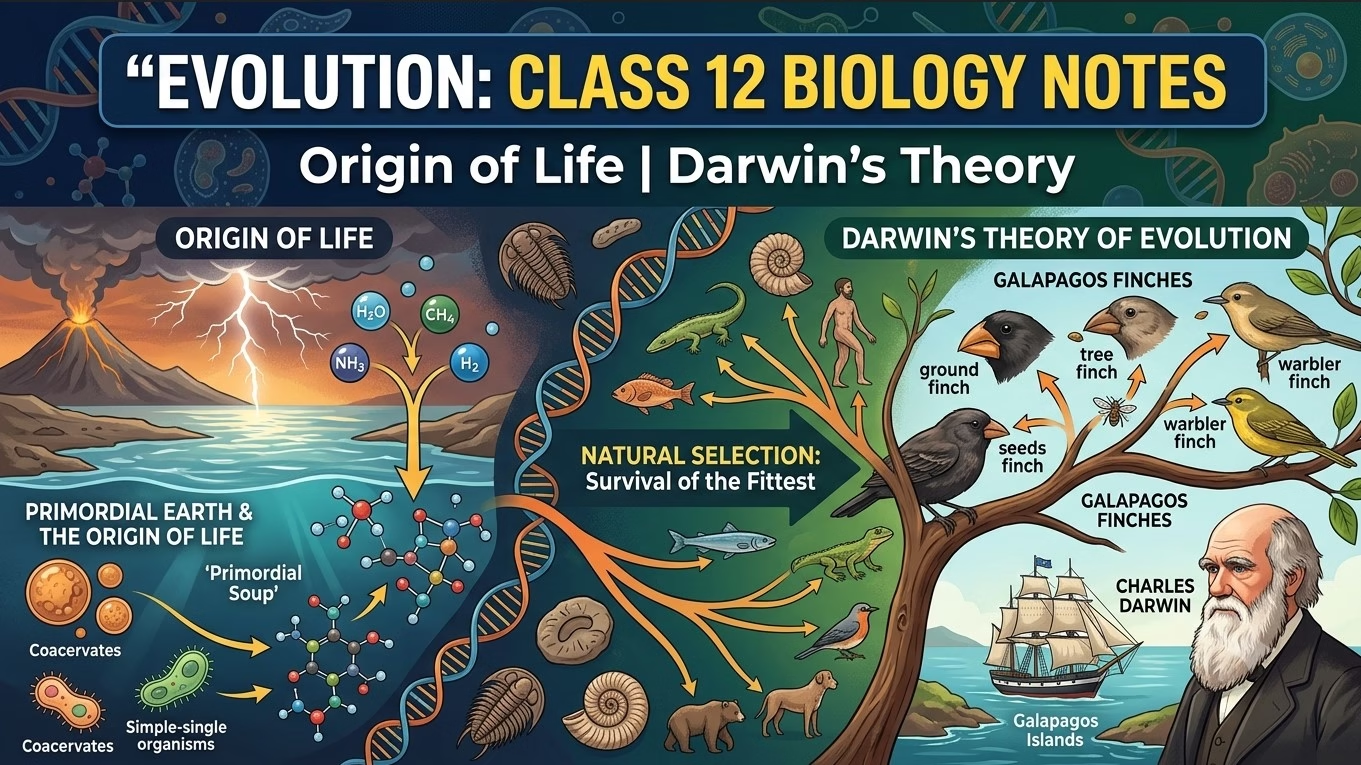
Complete Evolution Class 12 Biology notes — origin of life, Darwin’s theory, evidences, adaptive radiation & Hardy-Weinberg, explained simply.
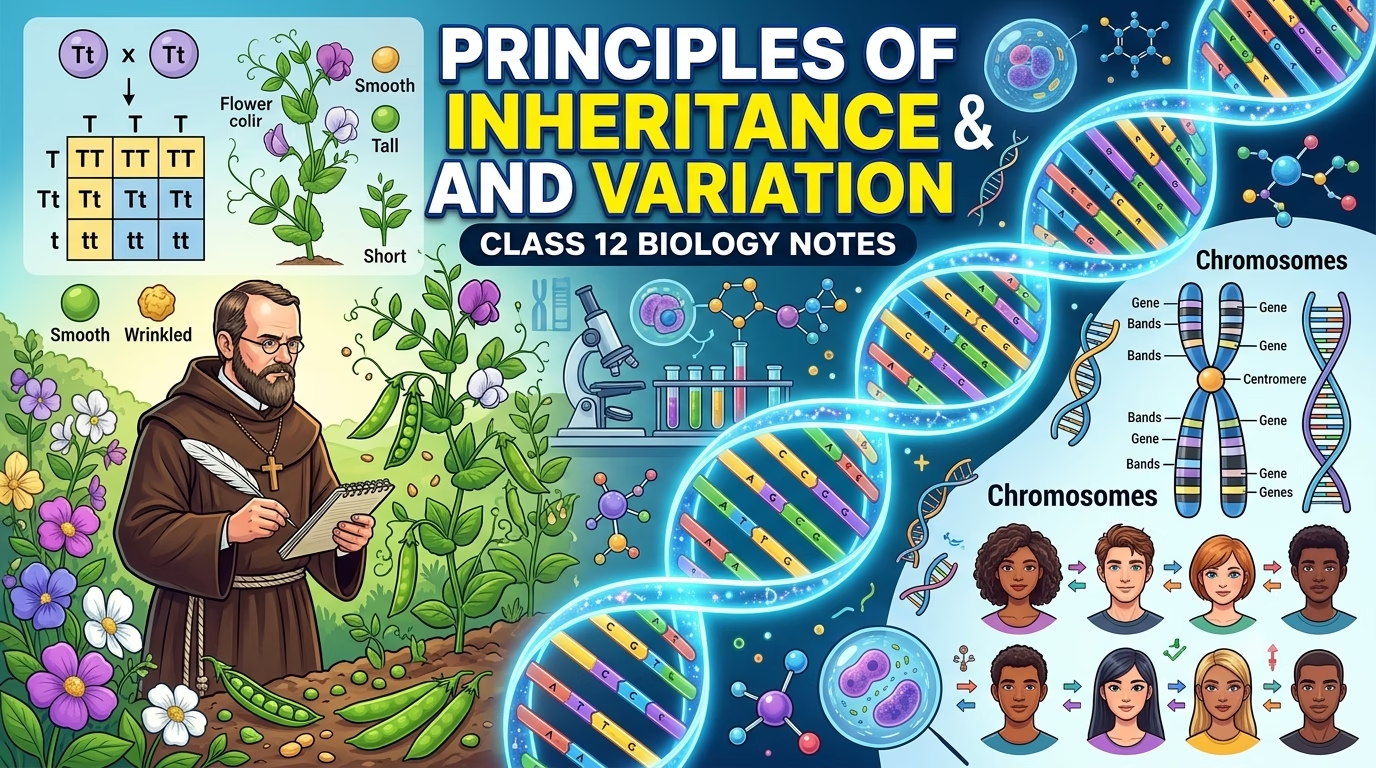
Complete Class 12 Biology notes on Principles of Inheritance and Variation — Mendel’s laws, monohybrid and dihybrid crosses, chromosomal theory, linkage, sex determination, mutation, pedigree analysis, and genetic disorders, explained simply with examples.
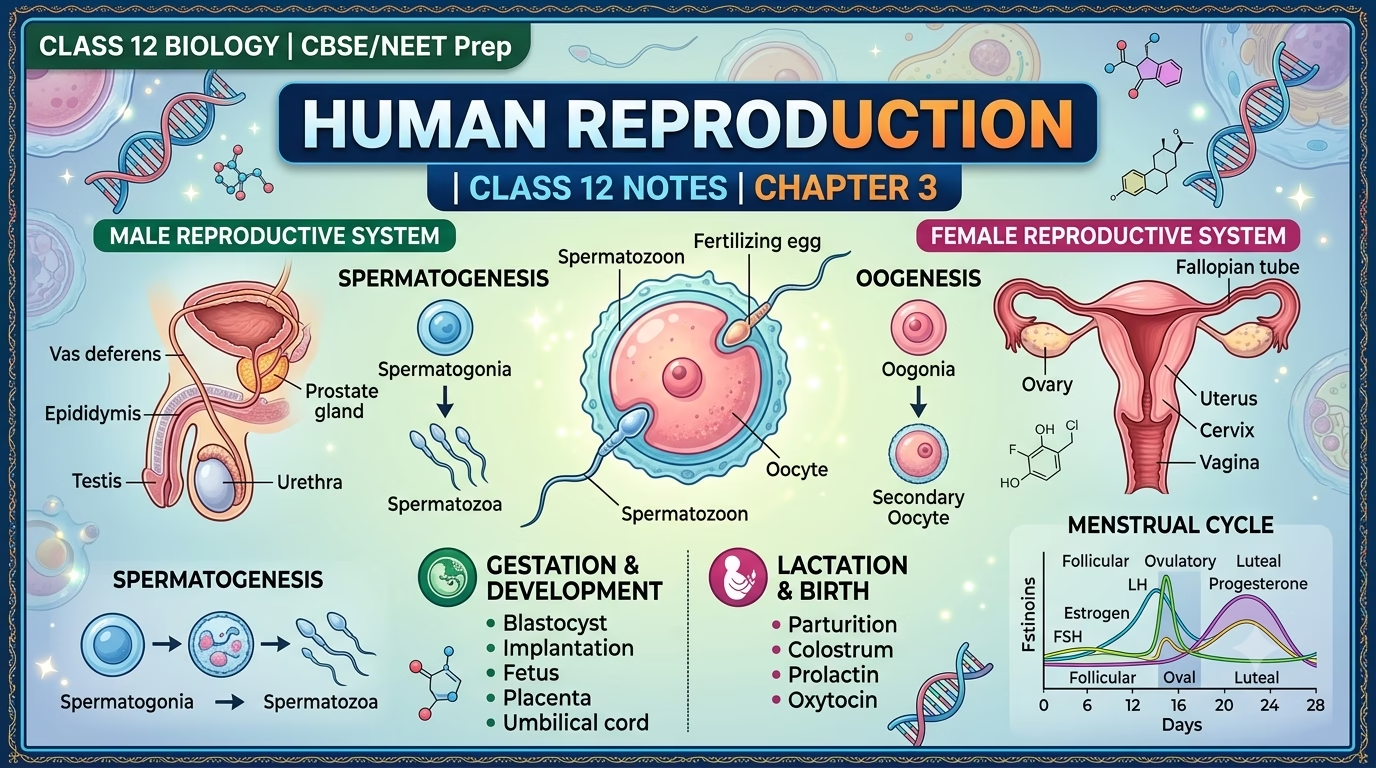
Complete Human Reproduction Class 12 notes — male & female reproductive systems, gametogenesis, menstrual cycle, fertilisation & parturition. NEET-ready.

A bioreactor is a specialized vessel used for biological reactions and fermentation processes. It provides a controlled environment where microorganisms, plant cells, or animal cells can grow and produce useful products like antibiotics, enzymes, organic acids, and biofuels.

High-Performance Liquid Chromatography (HPLC) is one of the most powerful and widely used techniques in modern laboratories. It helps to separate, identify, and quantify different components of a mixture with high accuracy and efficiency.

Mass Spectrometry (MS) is a highly precise analytical technique used to identify and measure the amount of chemicals present in a sample. It works by ionizing molecules and separating them based on their mass-to-charge ratio (m/z).

When an object moves in a circular path, two important forces come into play — centripetal force and centrifugal force. Centripetal force is a real force that pulls an object towards the center of its circular path. Centrifugal force is a fictitious (pseudo) force that seems to push an object outward, away from the center.