Microbes in Human Welfare Class 12 Biology Notes
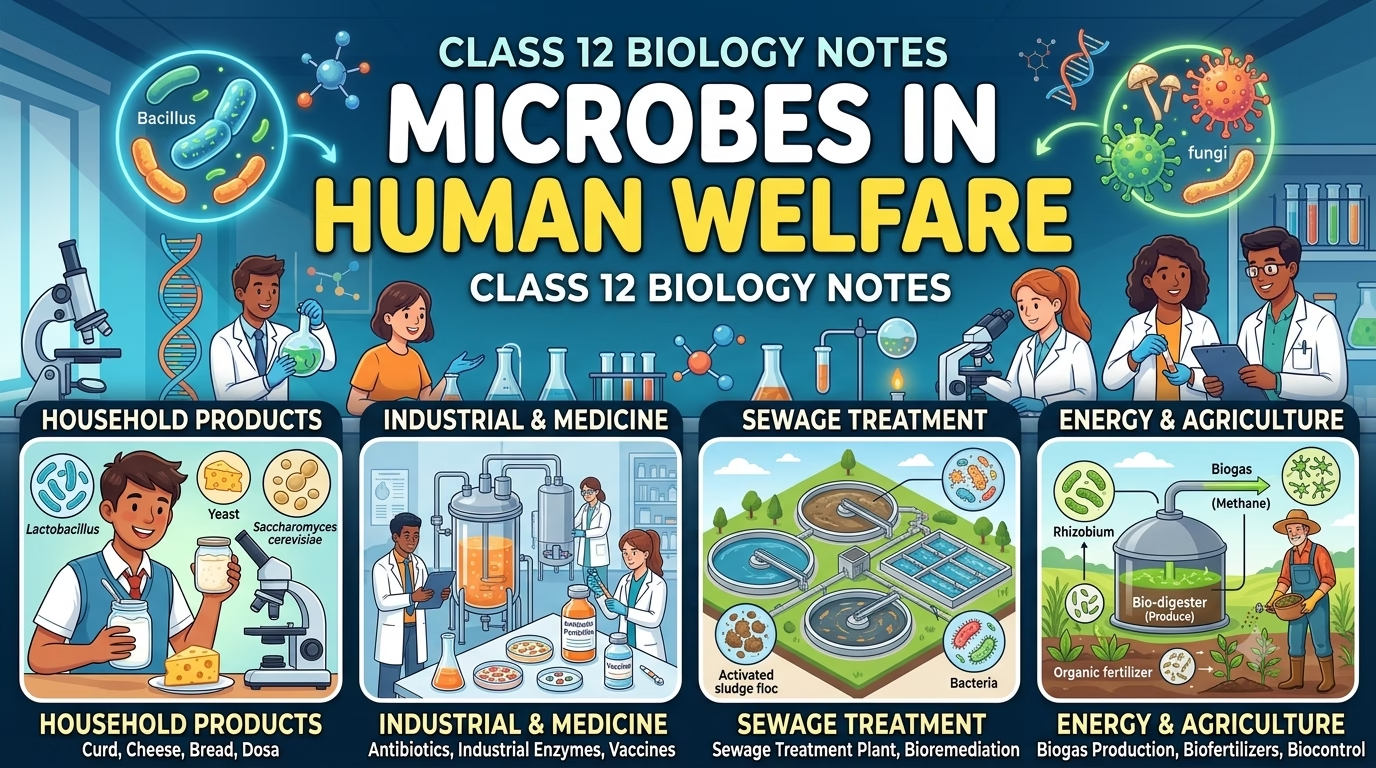
Class 12 Biology notes on Microbes in Human Welfare- LAB, antibiotics, sewage treatment, biogas, biocontrol agents & biofertilisers. NCERT-aligned.
Class 12 Biology notes on Microbes in Human Welfare- LAB, antibiotics, sewage treatment, biogas, biocontrol agents & biofertilisers. NCERT-aligned.

Mycoplasma are the smallest known free-living organisms without a cell wall. They are unicellular, prokaryotic (Gram -ve), and independently replicating (i.e., they contain metabolic machinery to grow and multiply in the absence of other cells, thus showing autonomous growth).
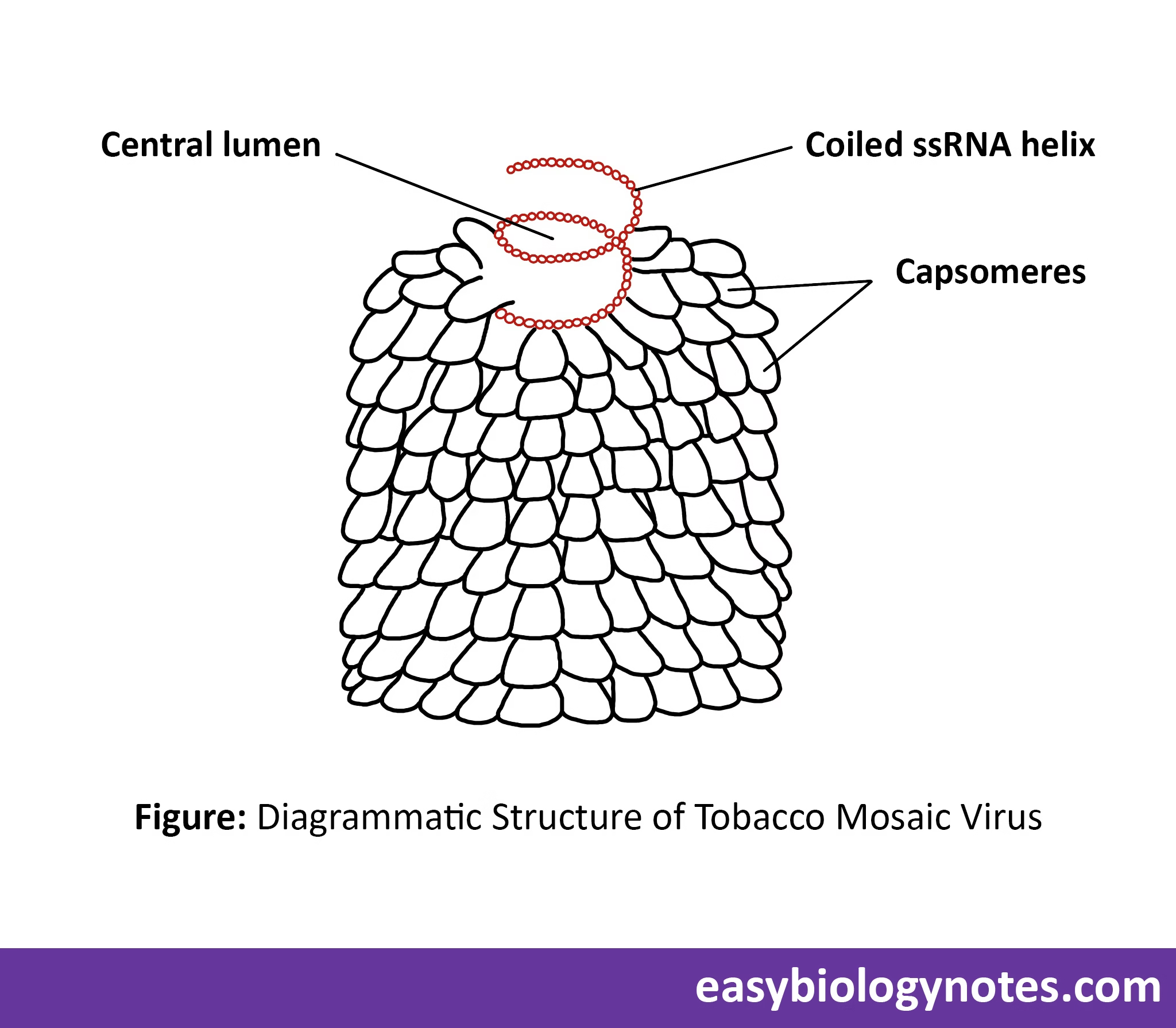
Tobacco Mosaic Virus (TMV) is a plant virus that mainly infects tobacco plants but can also affect other crops, including tomatoes and peppers. It is a rod-shaped virus, one of the first ever discovered and studied.
Bacterial Culture Media Bacterial culture media are nutrient-rich substances designed to support the growth, proliferation, and maintenance of bacterial populations in a controlled laboratory environment. One of the most important reasons for culturing bacteria in vitro is its utility in diagnosing infectious diseases. Isolating a bacterium from sites in the body normally known to be … Read more
Colicins are proteins produced by some strains of Escherichia coli that are lethal for related strains of E.coli.
Microbes or microorganisms are microscopic organisms (i.e., they are not visible to naked eye) that exist as unicellular, multicellular, or cell clusters. Microorganisms are widespread in nature (they make up almost 60% of the earth’s living matter) and are beneficial to life, but some can cause serious harm.
Microbiology is the study of organisms and agents that are too small to be visible with the unaided eye – that is, the study of microorganisms.