Flow Cytometry – Definition, Principle, Steps, Types, Applications, Advantages & Limitations

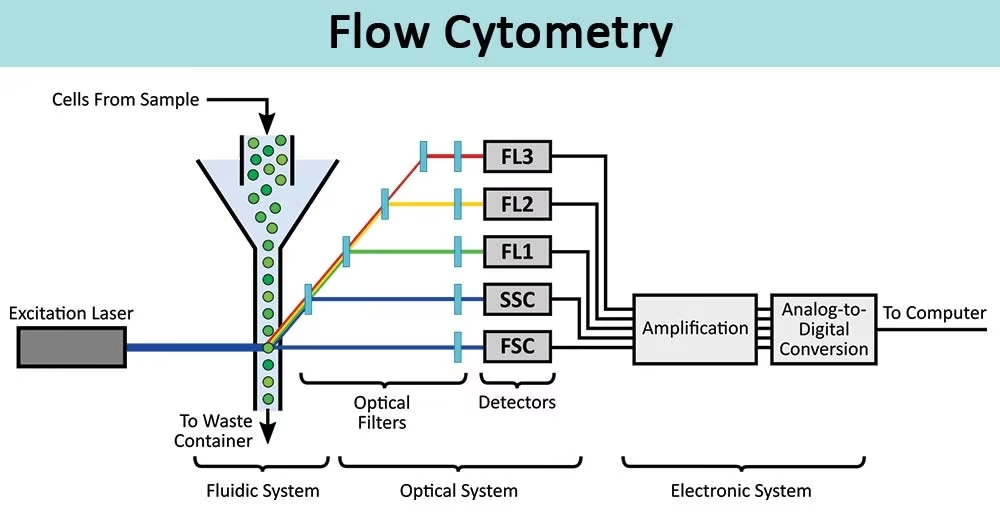
Flow cytometry is a powerful analytical technique widely used in biology, medicine, and research labs to study cells and particles in a fluid suspension.
Polyacrylamide Gel Electrophoresis (PAGE) is a laboratory technique used to separate proteins and nucleic acids based on their size and charge by making them move through a polyacrylamide gel under electricity.
Immunoelectrophoresis (IEP) is a powerful analytical technique that combines the principles of electrophoresis and immunodiffusion. In simple terms, it helps to separate and identify proteins (antigens) in a mixture by allowing them to migrate in an electric field and then testing them with specific antibodies.
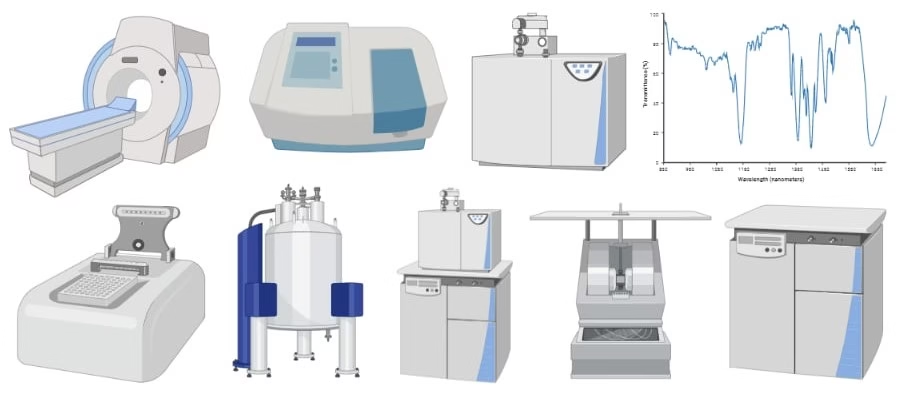
Spectroscopy is the study of how matter interacts with electromagnetic radiation (light, X-rays, gamma rays, etc.). This interaction can involve absorption, emission, or scattering of radiation. By studying these processes, scientists can obtain valuable information about the composition, structure, and properties of substances.
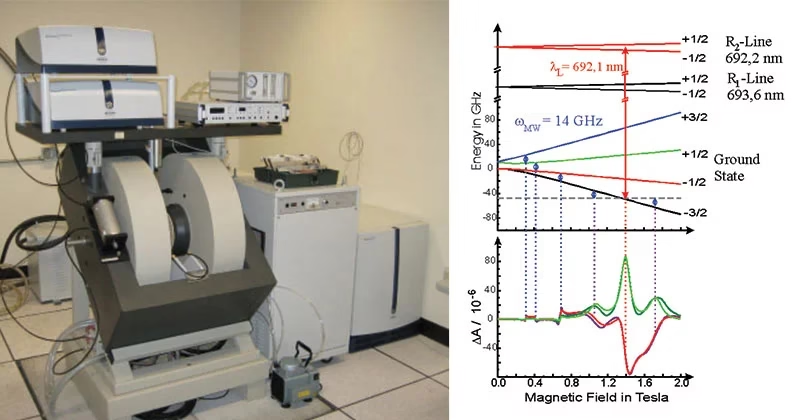
Electron Spin Resonance (ESR), also known as Electron Paramagnetic Resonance (EPR) or Electron Magnetic Resonance (EMR), is a powerful spectroscopic technique used to study materials with unpaired electrons.
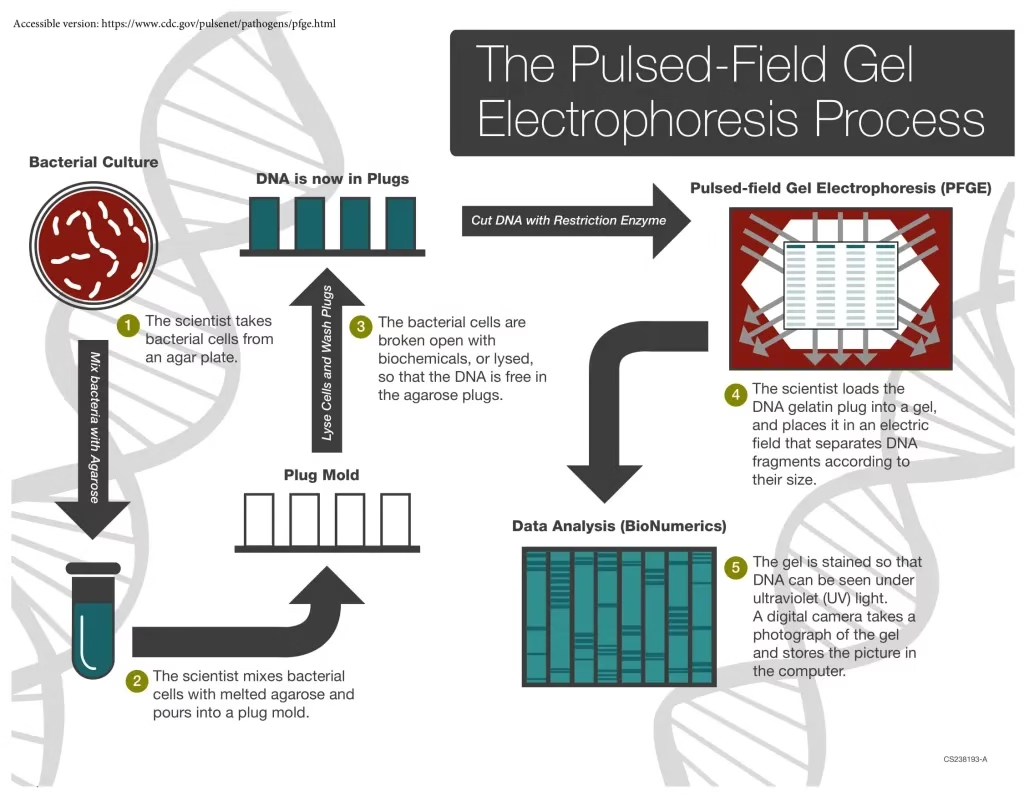
Pulsed Field Gel Electrophoresis (PFGE) is an advanced laboratory technique used to separate very large DNA molecules. Unlike standard gel electrophoresis, PFGE can separate DNA fragments greater than 50 kilobase pairs (kbp) up to several megabase pairs (Mb).
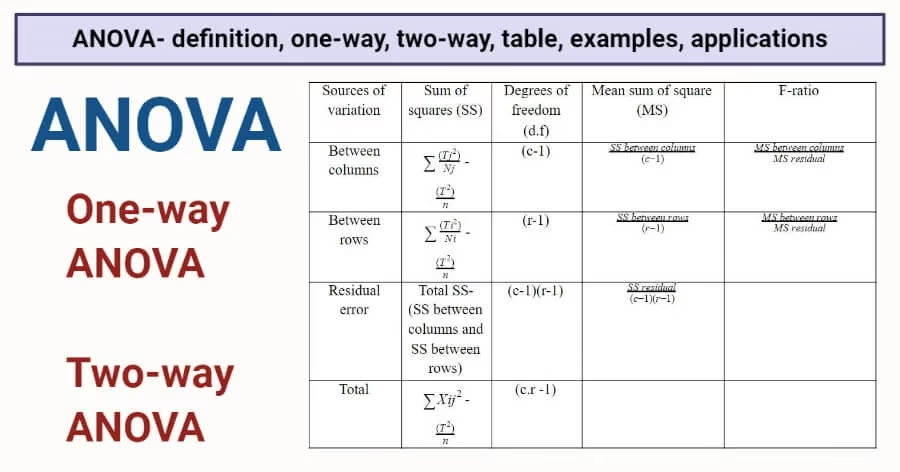
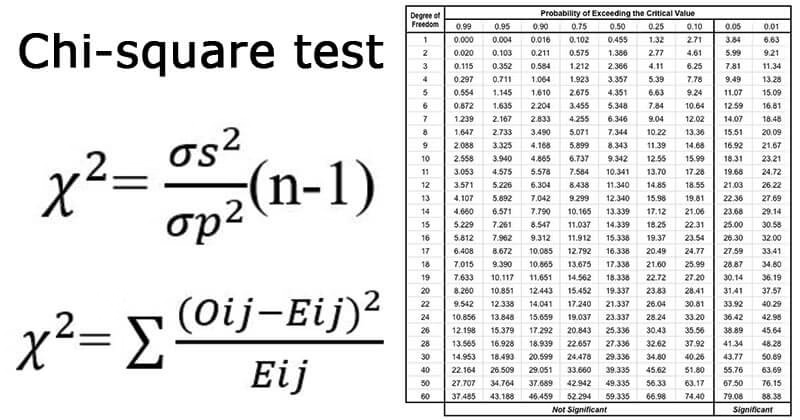
Learn the Chi-square test in research methodology with formula, types, conditions, examples, and FAQs. Easy guide for biology and health research.
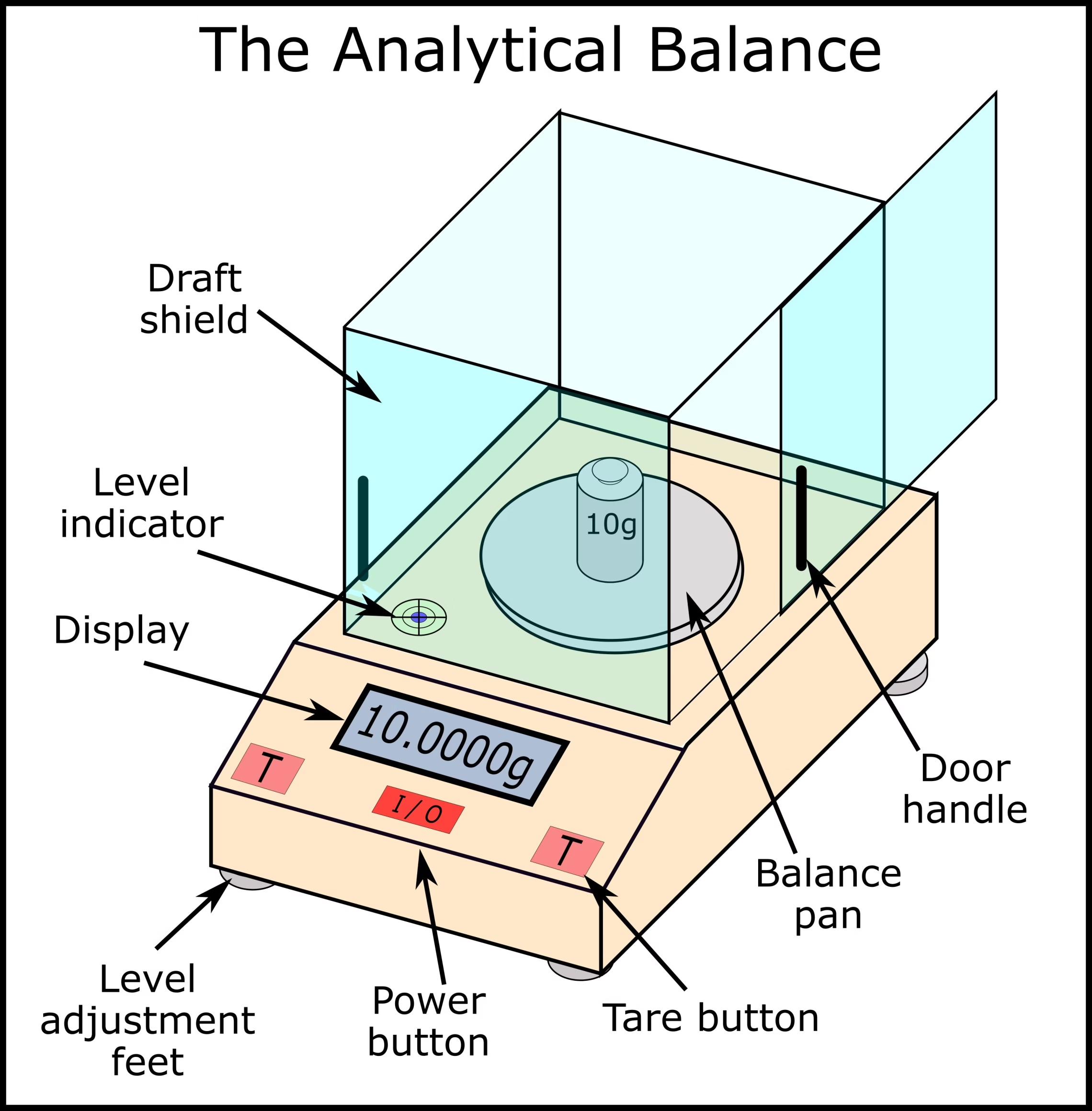
An Analytical Balance is a highly sensitive laboratory instrument designed to measure the mass of substances with extreme accuracy. It is a Class II balance often referred to as a laboratory balance, capable of measuring solid, liquid, granular substances, or powders.
Learn the difference between independent and dependent variables with definitions, examples, types, and FAQs. Easy guide for students and biology research.
A colony counter is a device used to count bacterial, fungal, or other microorganism colonies that grow on solid culture plates. It is widely used in microbiology, food industries, pharmaceuticals, environmental labs, and clinical diagnostics.