Pearl Formation in Mollusca

The “pearl” is literally formed by the mantle epithelium which becomes deposited around any external body or particles; these external particles or body invade in between the shell and mantle in any way.
 mayankmahara15@gmail.com
The “pearl” is literally formed by the mantle epithelium which becomes deposited around any external body or particles; these external particles or body invade in between the shell and mantle in any way.

Pila globosa is a common freshwater apple snail found in ponds, pools, tanks, lakes, marshes, paddy fields and sometimes even in streams and rivers of Northern India except Punjab. Pila is adapted to lead an amphibious life, it is provided with a pulmonary sac for aerial respiration and a gill or ctenidium for aquatic respiration.

Phylum Mollusca (L., mollis = soft) is a major group in the animal kingdom that includes soft-bodied invertebrates, often characterized by a calcareous shell, though not all members possess one. Molluscs exhibit a wide variety of body forms and habitats, ranging from marine to freshwater and terrestrial environments. Key features of this phylum include a muscular foot used for locomotion, a mantle that secretes the shell (if present), and a visceral mass housing the internal organs. The phylum includes diverse classes such as Gastropoda (snails and slugs), Bivalvia (clams and mussels), Cephalopoda (octopuses and squids), and others. Molluscs play important ecological and economic roles, from maintaining marine ecosystems to serving as food for humans.

Peripatus is a connecting link between Annelida and Arthropoda. Peripatus and related animals belong to the Phylum Onychophora, which was conventionally classified with arthropoda as one of its classes. But the modern classification has given to it the status of an independent phylum.
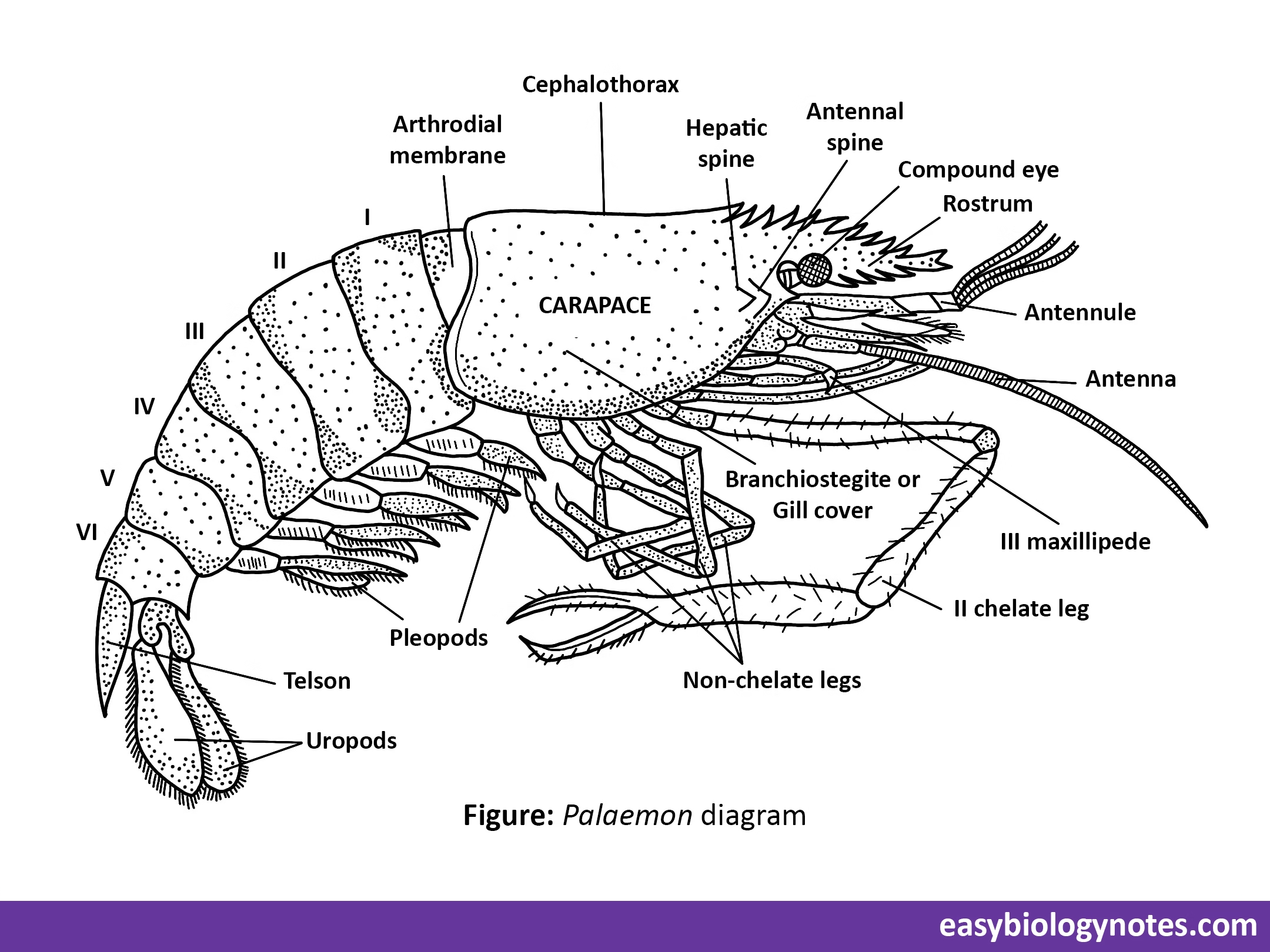
Palaemon (The Freshwater Prawn) is studied in the Indian Universities as a typical representative of the class Crustacea.

Vaccines (Latin: vacca = cow) preparation/suspension or extract of dead/attenuated (weakened) germs of a disease which, on inoculation (injection) into a healthy person, provides temporary/permanent active/passive immunity by inducing antibody formation.

What is HIV/AIDS virus? HIV (Human immunodeficiency virus) is a retrovirus that belongs to the genus Lentivirus, part of the family Retroviridae. It is the causative agent of AIDS (Acquired Immunodeficiency Syndrome).

Phylum Arthropoda (Gr., arthros = jointed ; podos = foot) is the largest and most diverse group of animals in the animal kingdom, characterized by their segmented bodies, jointed appendages, and exoskeleton made of chitin. This phylum includes insects (e.g., butterflies, beetles), arachnids (e.g., spiders, scorpions), crustaceans (e.g., crabs, lobsters), and myriapods (e.g., centipedes, millipedes). Arthropods play essential ecological roles, such as pollinators, decomposers, and as part of the food web.
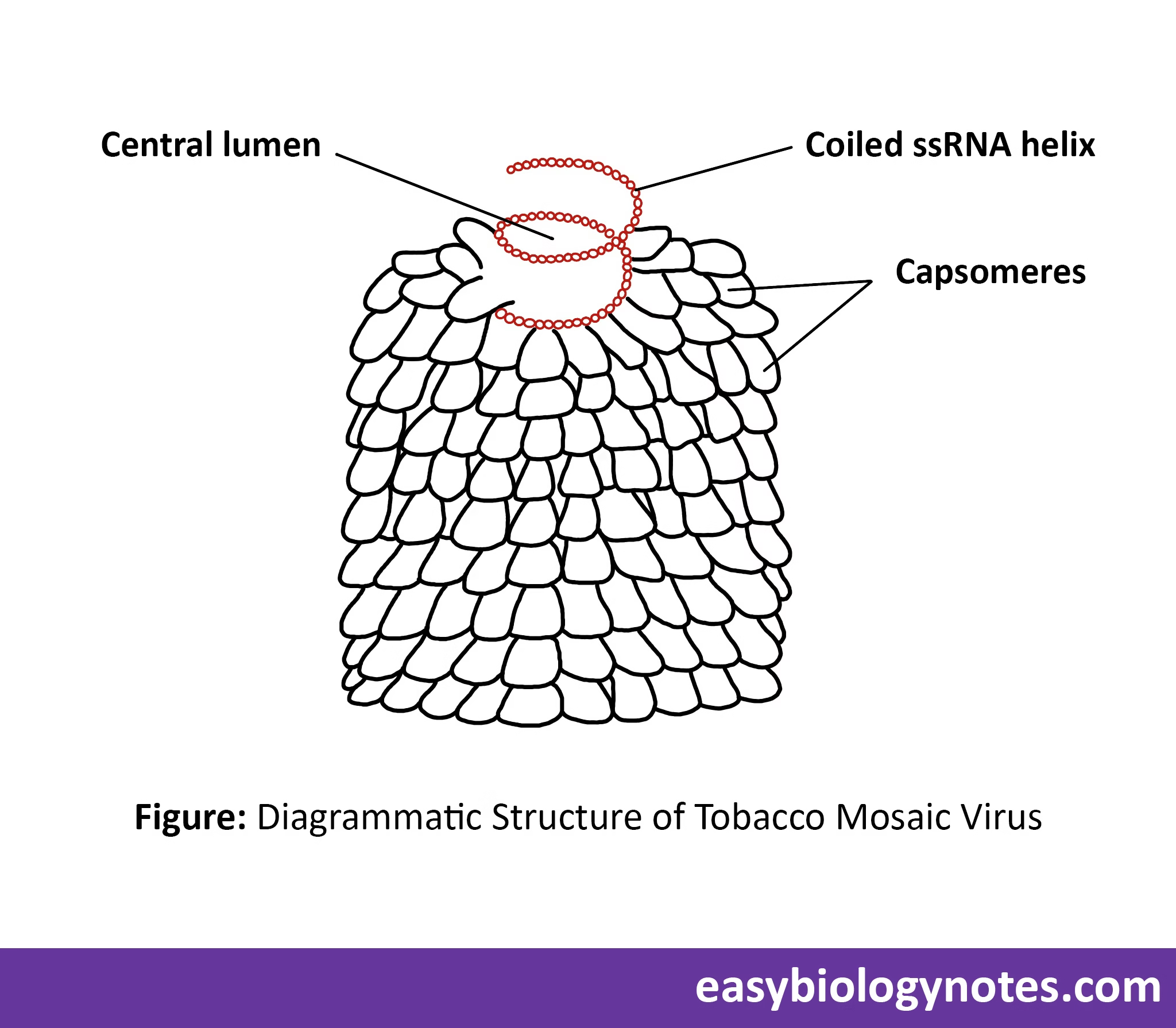
Tobacco Mosaic Virus (TMV) is a plant virus that mainly infects tobacco plants but can also affect other crops, including tomatoes and peppers. It is a rod-shaped virus, one of the first ever discovered and studied.

Bacteriophages are the viruses which infect bacteria. These viruses that parasitizes the bacteria. Bacteriophages were discovered independently by Frederick William Twort in 1915 and Félix d’Hérelle in 1917.