Microbiology: Definition, History and Importance of Microbiology
Microbiology is the study of organisms and agents that are too small to be visible with the unaided eye – that is, the study of microorganisms.
 mayankmahara15@gmail.com
Microbiology is the study of organisms and agents that are too small to be visible with the unaided eye – that is, the study of microorganisms.

Phylum Protozoa is a group within the kingdom Protista consisting of single-celled, eukaryotic organisms that can be free-living or parasitic. These organisms are characterized by their ability to move independently using structures such as cilia, flagella, or pseudopodia. Protozoa are diverse in form and function and can reproduce sexually or asexually. They are found in a variety of environments, including freshwater, marine, and soil habitats. Some protozoans are known to cause diseases in humans and other animals.
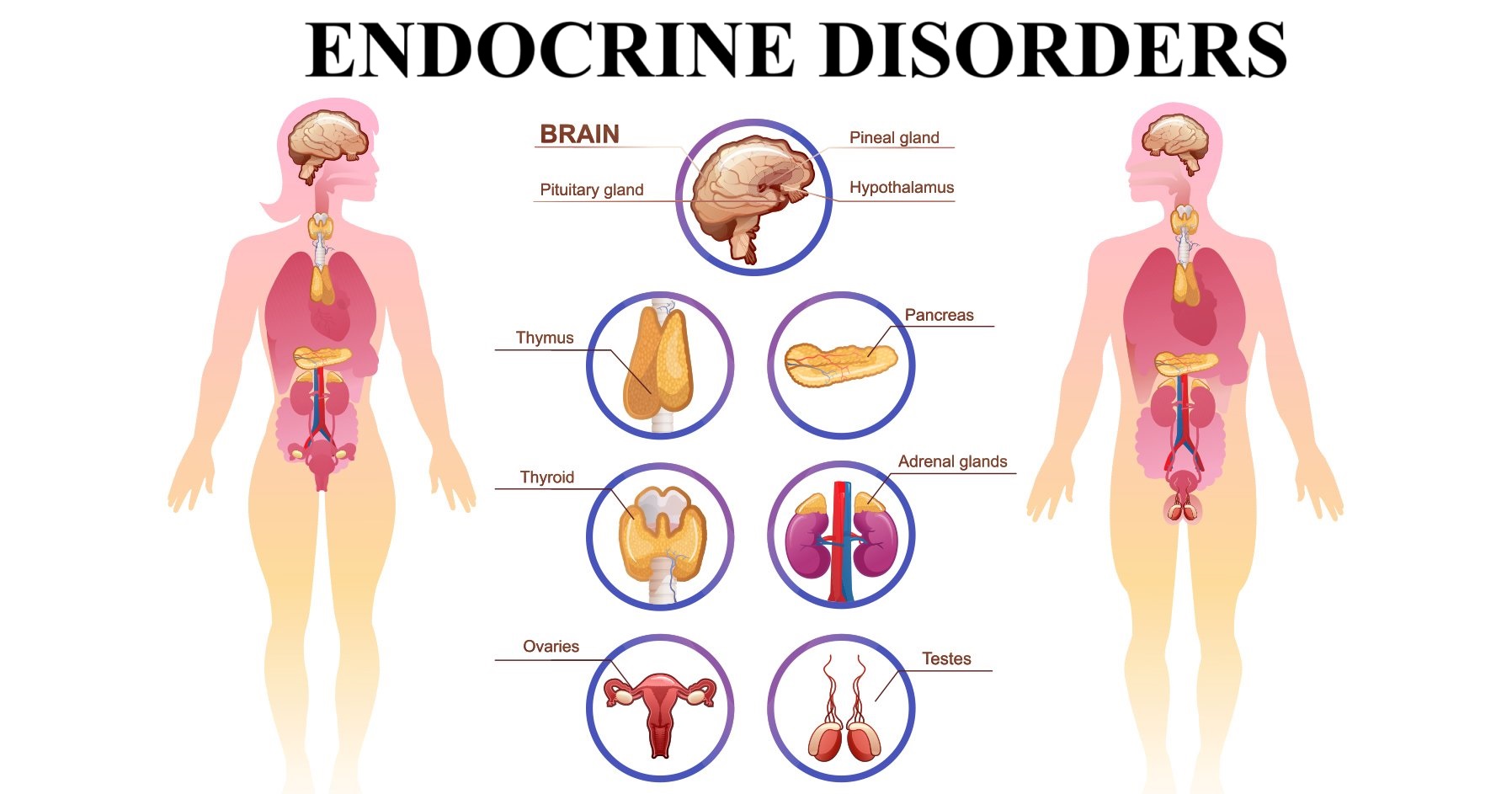
Endocrine disorders are caused if the hormone levels are too high or too low, or if your body doesn’t respond to hormones in the expected way.

Endocrine System consists of ductless glands that control, communicate, coordinate and integrate various functions of all the body organs by secretions of chemical messenger called hormones.
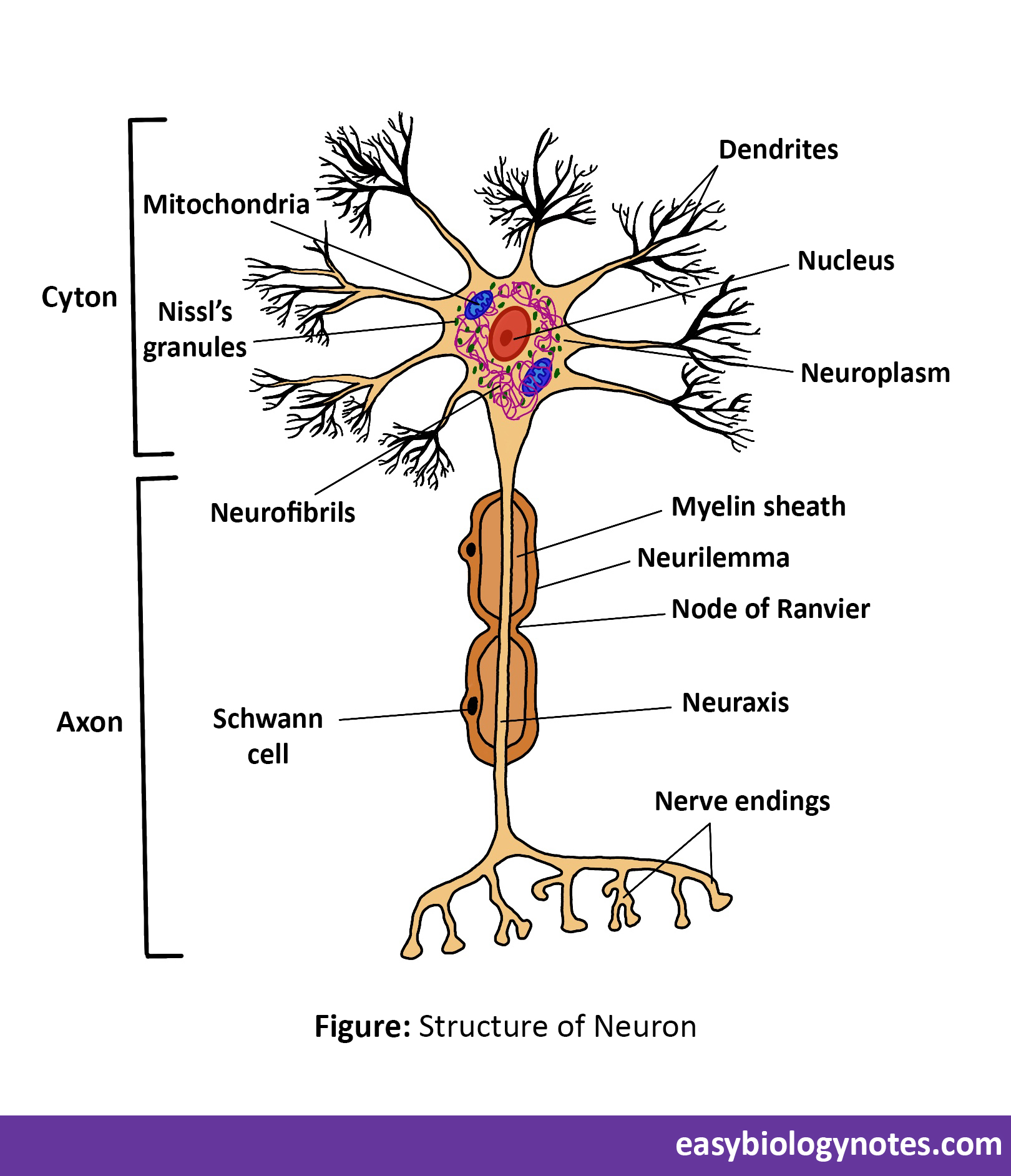
The system that controls and coordinates all the activities of various body parts in response to external and internal stimuli by the conduction of nerve impulses is called nervous system.
The two most important international health organizations are –: WHO (World Health Organization) and Red Cross
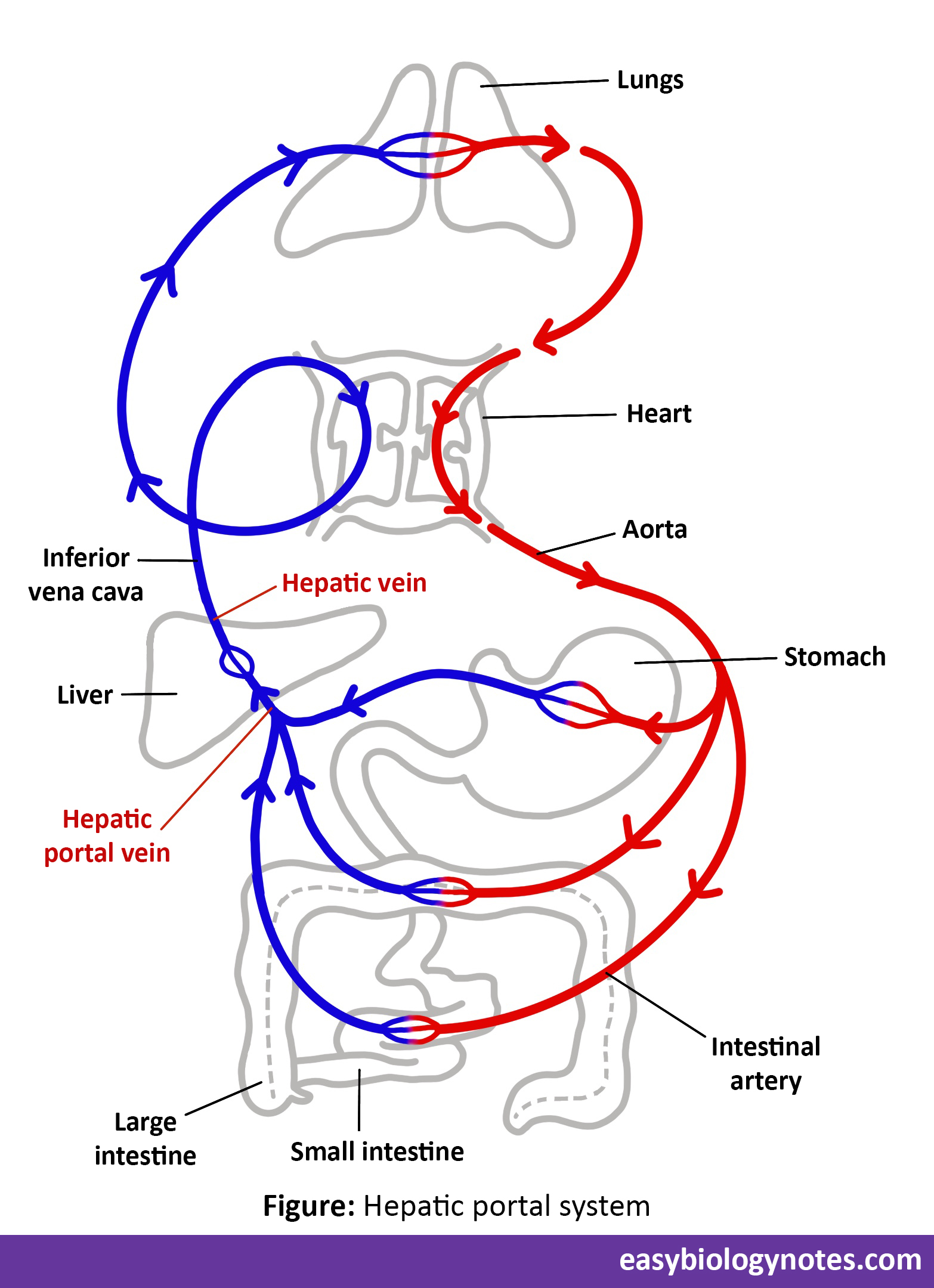
All the portal veins that carry their contents into liver collectively constitute the Hepatic Portal System.
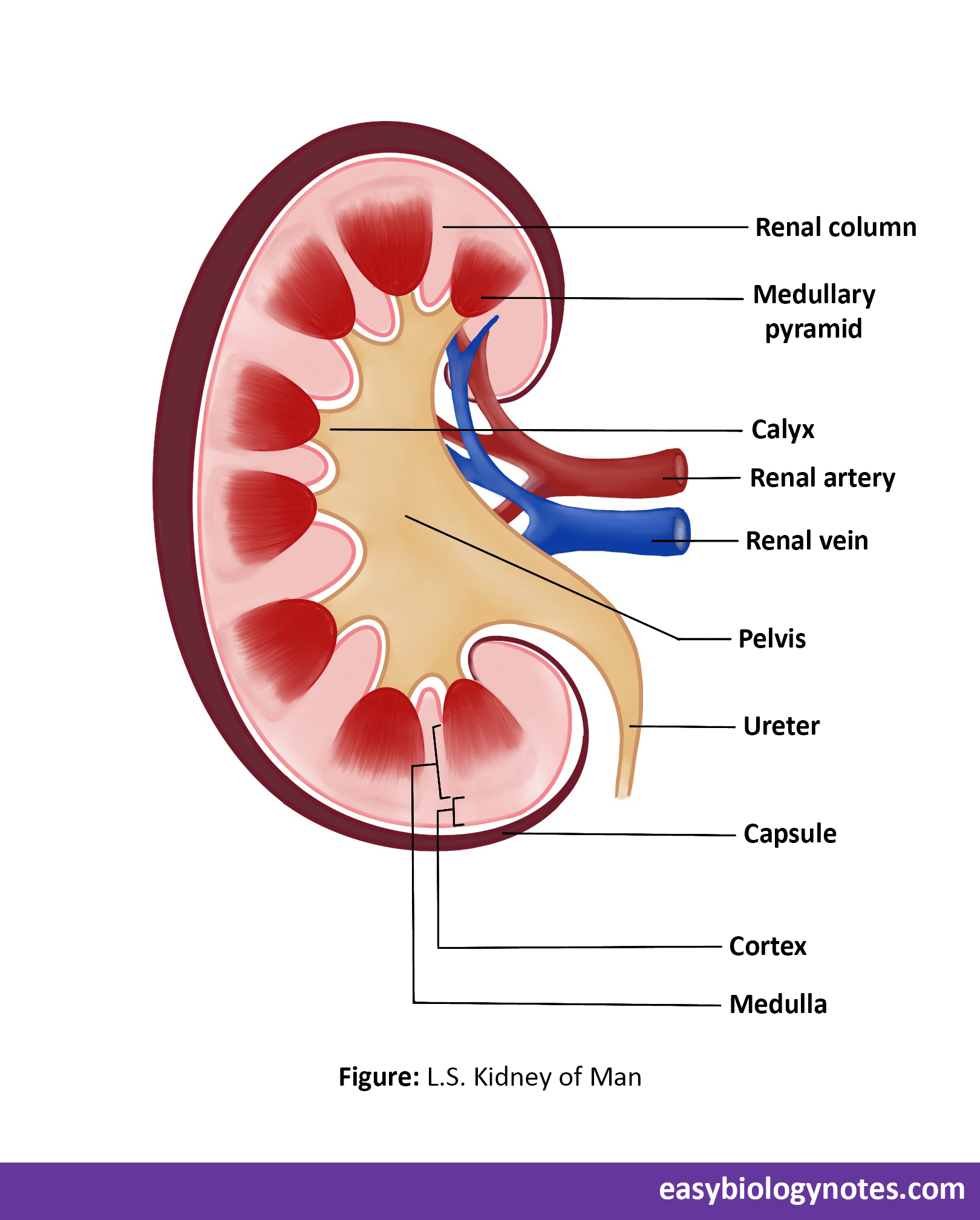
The process of removal of chemical waste (mainly nitrogenous) from the body is known as excretion and the organ system involved is called Excretory System.
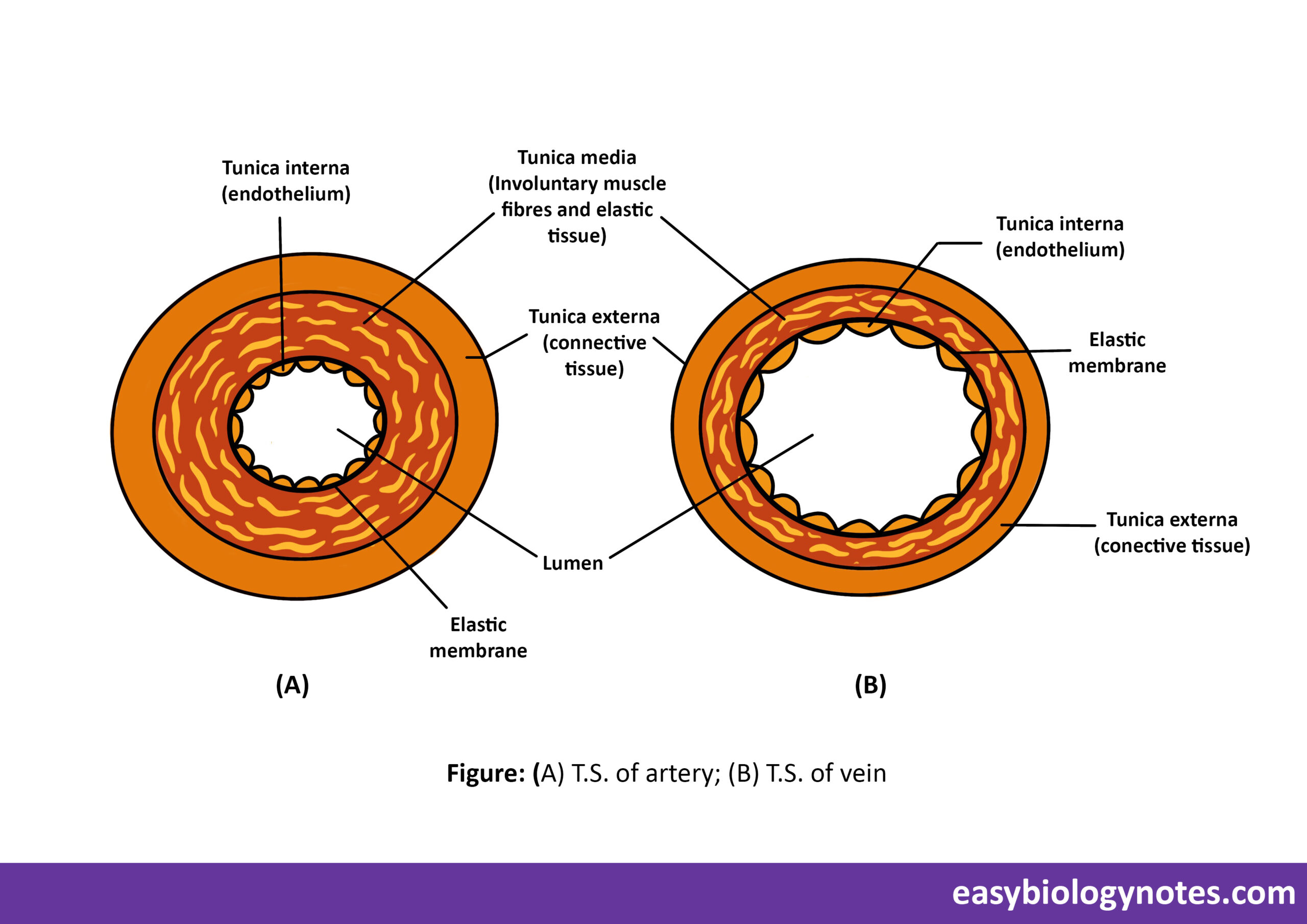
Blood vessels are highly branched tubes through which blood circulates from the heart to all parts of the body.
Population may be defined as a group of organisms belonging to one species which occupy a given area at a given time.