Differences between Prokaryotic and Eukaryotic Cells
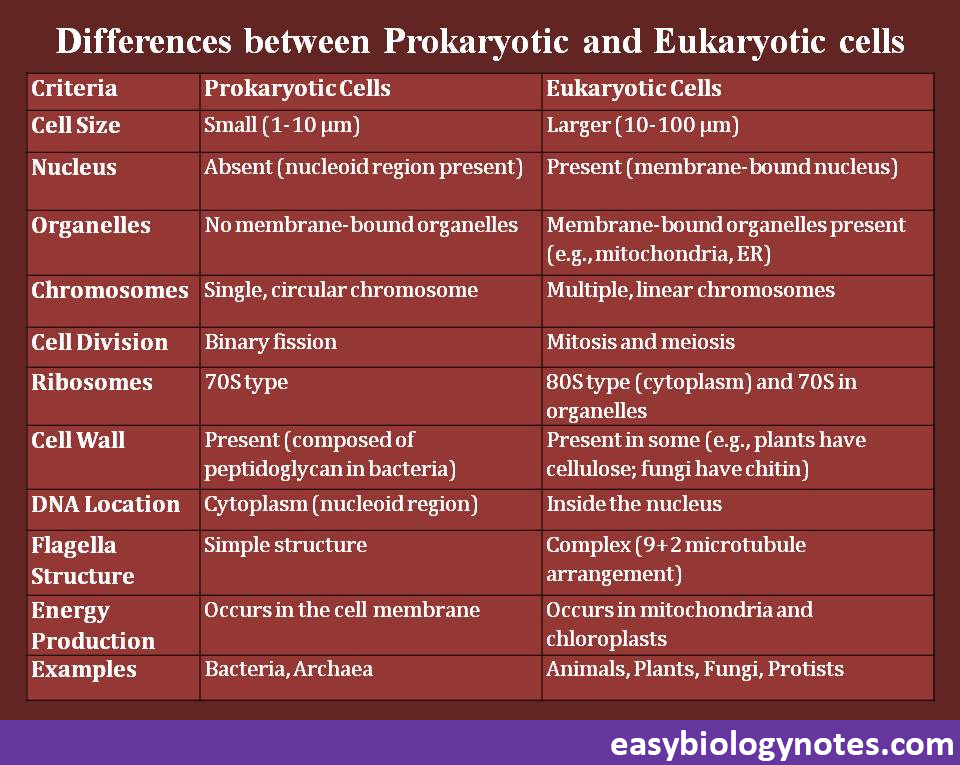
The main difference between Prokaryotic and Eukaryotic cells is that eukaryotes have a true nucleus and membrane-bound organelles whereas prokaryotic cells do not.
The main difference between Prokaryotic and Eukaryotic cells is that eukaryotes have a true nucleus and membrane-bound organelles whereas prokaryotic cells do not.
Microbes or microorganisms are microscopic organisms (i.e., they are not visible to naked eye) that exist as unicellular, multicellular, or cell clusters. Microorganisms are widespread in nature (they make up almost 60% of the earth’s living matter) and are beneficial to life, but some can cause serious harm.
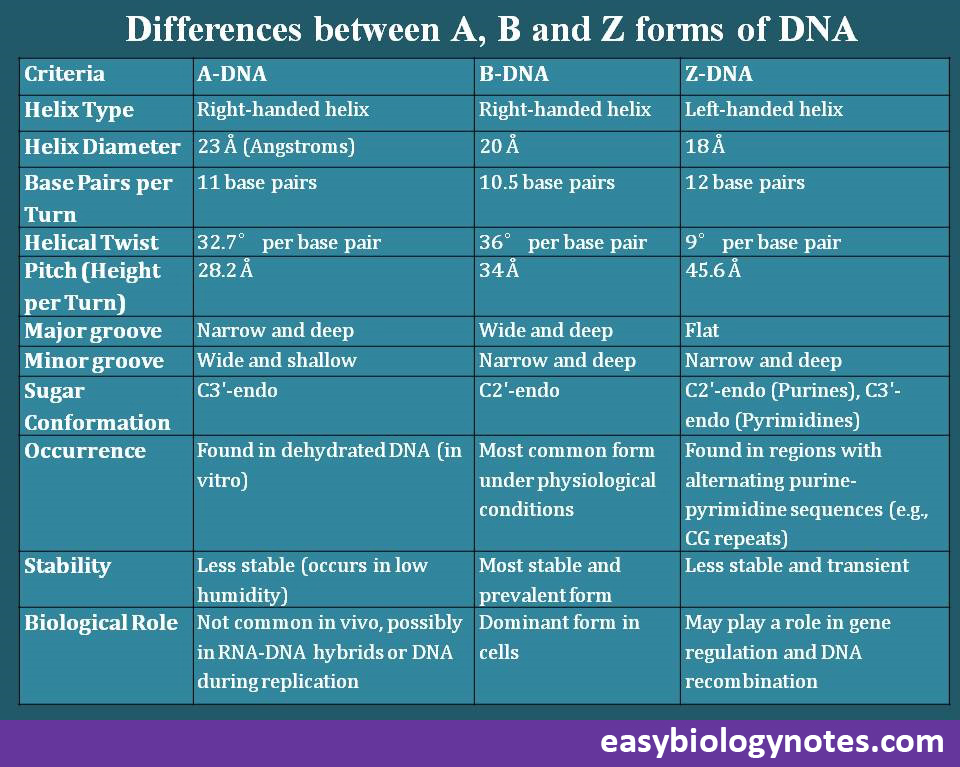
DNA exists in multiple structural conformations, of which the A, B, and Z forms are the most well-known. These forms arise due to variations in helical structure, environmental conditions, and sequence-specific factors. Each form exhibits unique properties that significantly influence DNA’s biological function, adaptability, and interactions with proteins and other molecules. Understanding these differences is essential for insights into DNA’s role in genetic regulation, stability, and evolution.
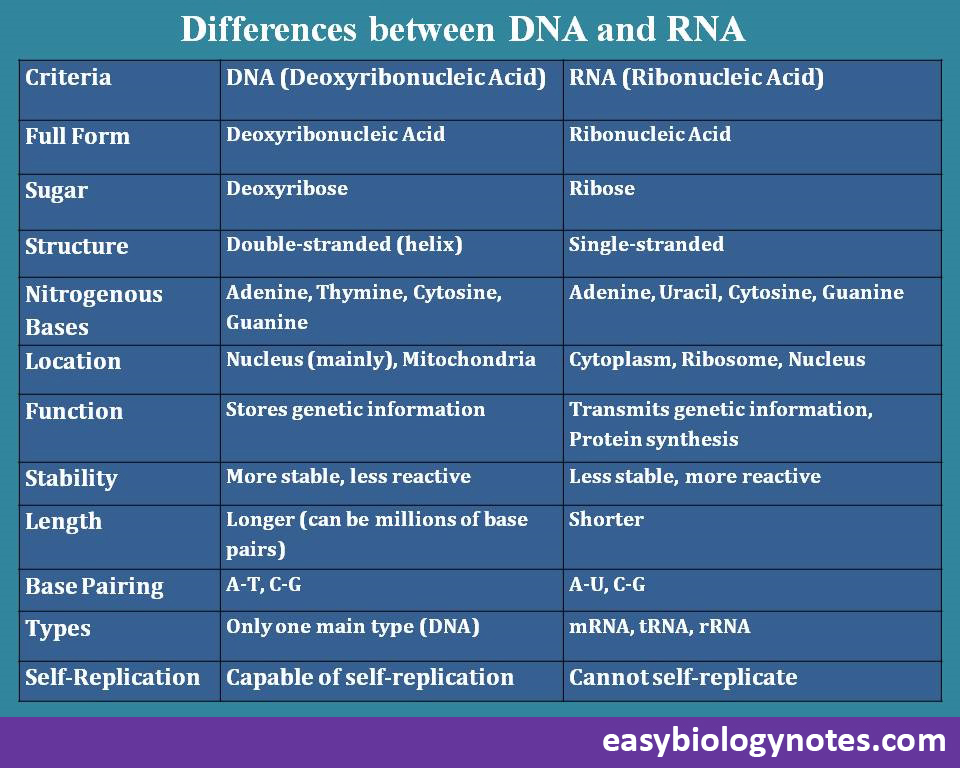
What are the differences between DNA and RNA? Following are the differences between DNA and RNA -: Criteria DNA (Deoxyribonucleic Acid) RNA (Ribonucleic Acid) Full Form Deoxyribonucleic Acid Ribonucleic Acid Sugar Deoxyribose Ribose Structure Double-stranded (helix) Single-stranded Nitrogenous Bases Adenine, Thymine, Cytosine, Guanine Adenine, Uracil, Cytosine, Guanine Location Nucleus (mainly), Mitochondria Cytoplasm, Ribosome, Nucleus Function … Read more

Microbiology is the study of organisms and agents that are too small to be visible with the unaided eye – that is, the study of microorganisms.
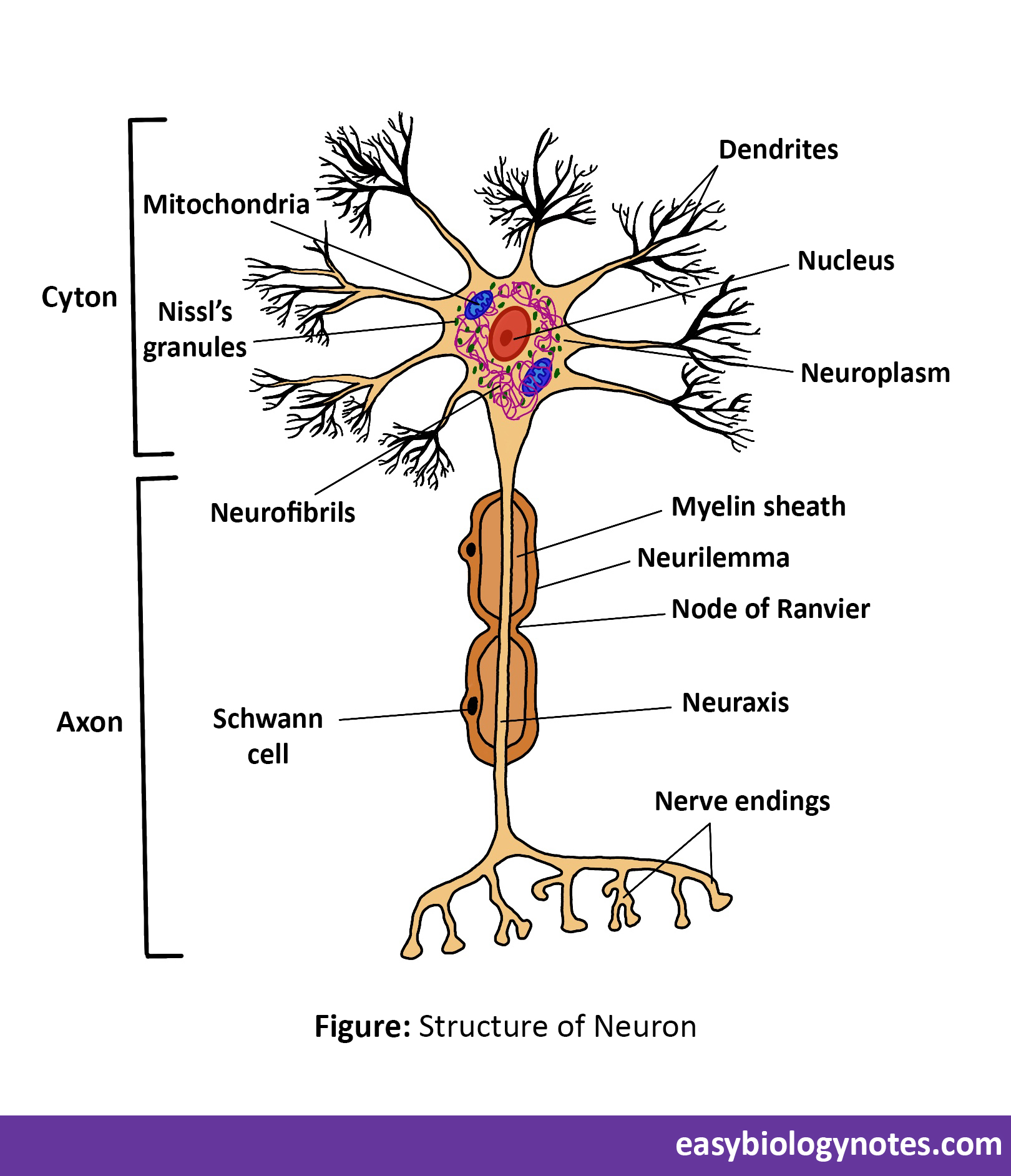
The system that controls and coordinates all the activities of various body parts in response to external and internal stimuli by the conduction of nerve impulses is called nervous system.

The two most important international health organizations are –: WHO (World Health Organization) and Red Cross
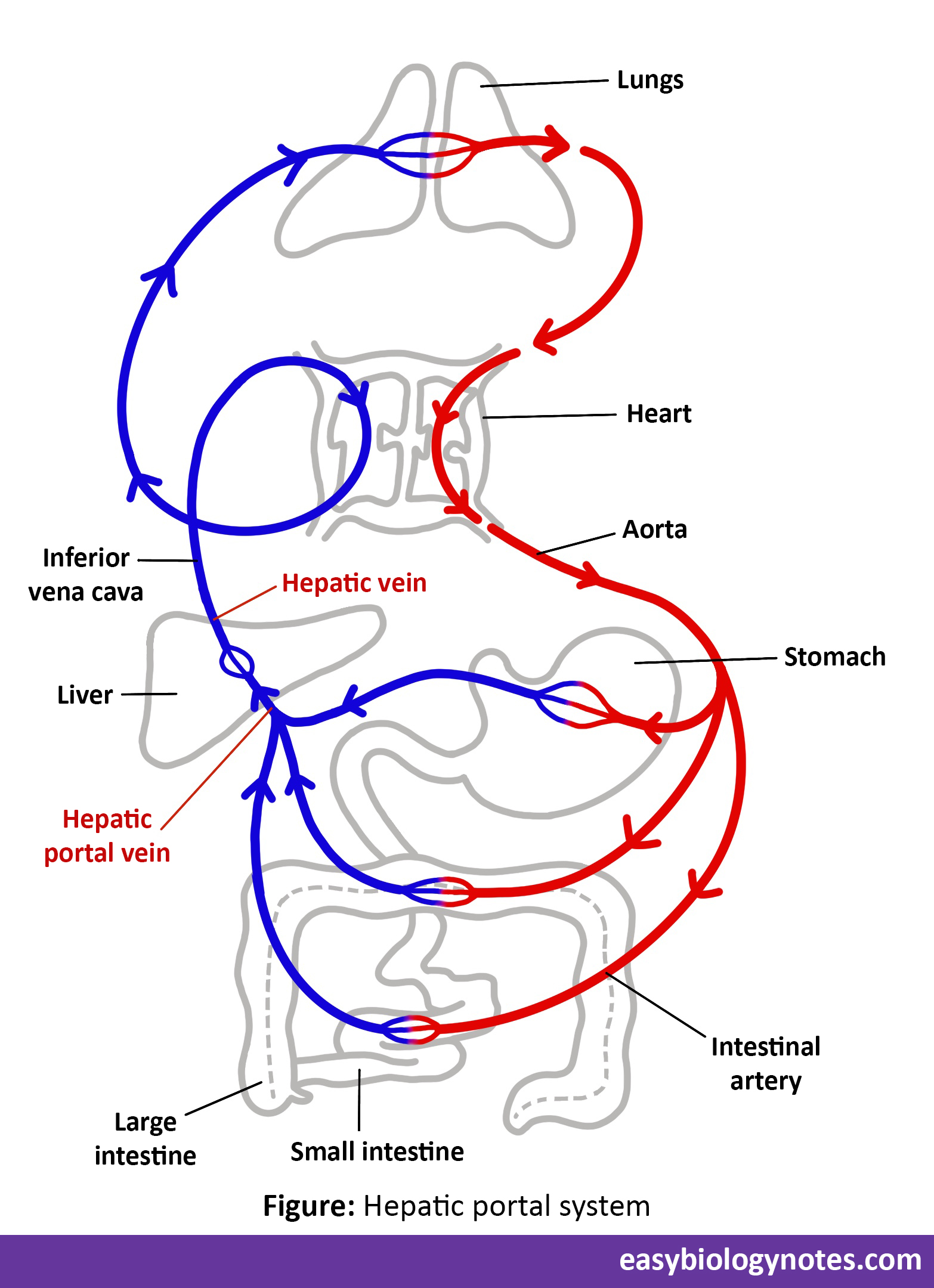
All the portal veins that carry their contents into liver collectively constitute the Hepatic Portal System.
Population may be defined as a group of organisms belonging to one species which occupy a given area at a given time.
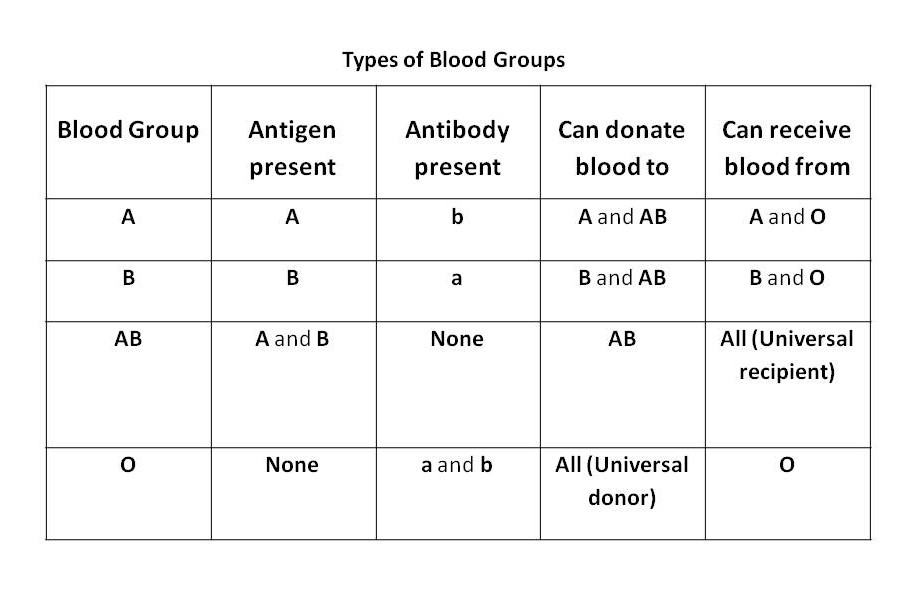
Blood group, also known as blood type, is a group of types of blood based on the presence and absence of blood group antigens in the surface (membrane) of the RBCs, and antibodies on the plasma.